The Basics of Analogue CCTV Systems
How Analogue CCTV Cameras Work
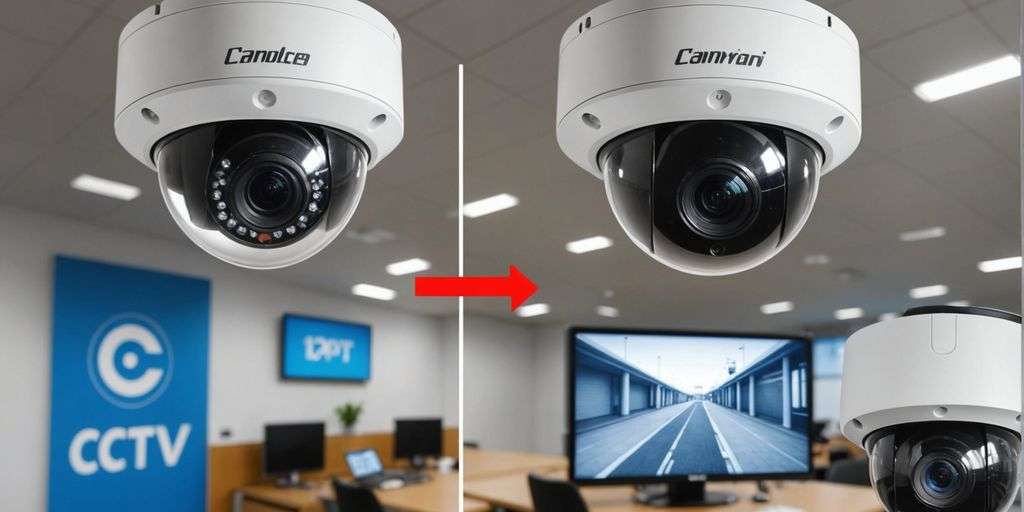
Analogue CCTV cameras capture video images using a sensor. The resolution of this sensor is typically limited to 720×575 pixels. The video is captured in 60 intervals called "fields," and two fields together make a "frame." This method is known as interlaced transmission. The video signal is then sent to a recording and display device through a single coaxial cable. This signal complies with broadcast television standards, making it easier to use off-the-shelf products for display and recording.
Common Issues with Analogue CCTV
Despite being shielded, coaxial cables can still pick up noise, which can degrade the video quality. This noise can cause compression artefacts in the recordings. Additionally, analogue TV standards have imperfections that introduce their own artefacts, such as false colours in black and white images. These issues make analogue CCTV less ideal for applications where detail recognition, like reading a licence plate, is crucial.
Advantages of Analogue CCTV
Analogue CCTV systems are generally easier to set up and use. They are compatible with older television standards, making them a good choice for those who do not need high-resolution images. They are also typically less expensive than their IP counterparts, making them a cost-effective option for basic surveillance needs.
Analogue CCTV systems have been around for over 50 years and have proven to be reliable for basic surveillance needs. However, they are not ideal for applications requiring high detail recognition.
Understanding IP CCTV Technology
How IP Cameras Operate
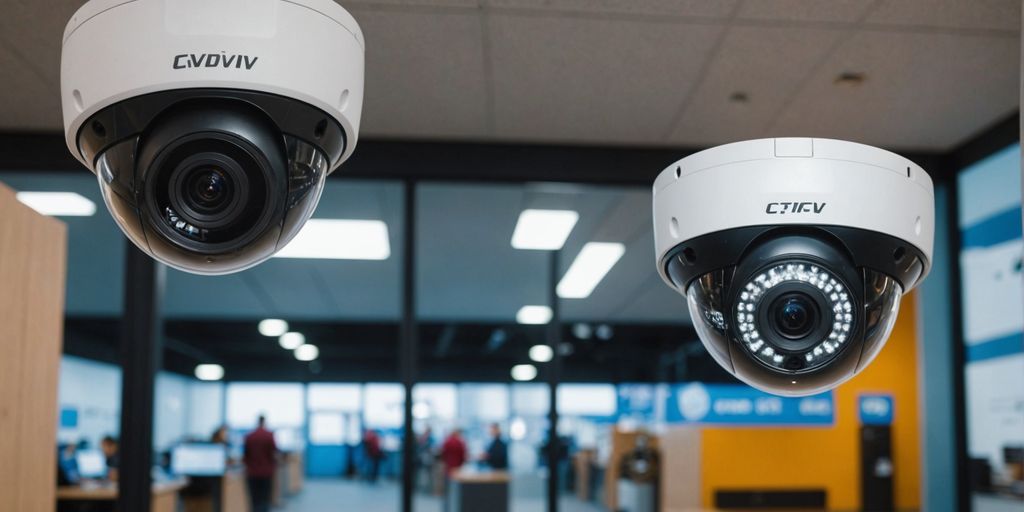
IP cameras, also known as network cameras, capture video footage and transmit it over an IP network. Unlike analogue cameras, which send video signals to a DVR, IP cameras encode the video data and send it directly to a network video recorder (NVR) or other storage devices. This allows for higher resolution and better image quality. IP cameras can be accessed remotely, enabling users to view live footage from anywhere with an internet connection.
Benefits of IP CCTV Systems
IP CCTV systems offer several advantages over their analogue counterparts:
- Higher Resolution: IP cameras provide superior image quality, often in HD or even 4K.
- Scalability: Easily add more cameras to the system without significant infrastructure changes.
- Remote Access: View and manage footage from any location via the internet.
- Advanced Features: Many IP cameras come with features like motion detection, facial recognition, and tampering alerts.
Challenges in Implementing IP CCTV
Despite their benefits, IP CCTV systems come with their own set of challenges:
- Cost: Initial setup and equipment costs can be higher than analogue systems.
- Complexity: Requires knowledge of networking and IT for installation and maintenance.
- Bandwidth: High-resolution video can consume significant network bandwidth, necessitating robust network infrastructure.
Implementing IP CCTV systems requires careful planning and coordination between IT and security teams to ensure a successful deployment.
Comparing Analogue and IP CCTV Systems
Resolution and Image Quality
When it comes to resolution and image quality, IP cameras have a clear advantage. Analogue cameras are limited by the broadcast television standards they adhere to, such as NTSC and PAL. These standards cap the vertical resolution, which means the image quality is inherently limited. On the other hand, IP cameras can offer much higher resolutions, providing clearer and more detailed images. This is particularly important for applications where recognising details, like a person’s face or a car’s licence plate, is crucial.
Installation and Maintenance
The installation process for analogue and IP CCTV systems differs significantly. Analogue systems typically use coaxial cables, which can be simpler to install but are prone to signal degradation over long distances. IP systems, however, use network cables and can even utilise existing IP network infrastructure, making them more flexible. Maintenance for IP systems can also be more straightforward, as many issues can be diagnosed and resolved remotely.
Cost Considerations
Cost is a major factor when choosing between analogue and IP CCTV systems. Analogue systems are generally cheaper upfront, making them an attractive option for smaller budgets. However, the long-term costs can add up due to the need for more frequent maintenance and potential upgrades. IP systems, while more expensive initially, often prove to be more cost-effective in the long run due to their scalability and lower maintenance requirements.
When considering the overall cost, it’s essential to factor in not just the initial investment but also the long-term expenses associated with maintenance and upgrades. This holistic view can help in making a more informed decision.
Future Trends in CCTV Technology
Advancements in IP Camera Features
IP cameras are continuously evolving, offering new features that enhance security and usability. One significant advancement is real-time video stitching, which allows multiple camera feeds to be combined into a single, comprehensive view. This is particularly useful for monitoring large areas. Additionally, facial recognition technology is becoming more sophisticated, enabling more accurate identification and tracking of individuals.
Integration with Smart Technologies
The integration of CCTV systems with smart technologies is another trend shaping the future. Modern CCTV systems can now be connected to smart home devices, allowing for seamless control and monitoring. For instance, you can receive alerts on your smartphone if the system detects unusual activity. This integration not only enhances security but also offers convenience and peace of mind.
Predictions for the CCTV Market
Looking ahead, the CCTV market is expected to grow significantly. The demand for advanced security solutions is driving innovation and adoption. As technology continues to advance, we can expect to see more features that make CCTV systems more effective and user-friendly. Regular maintenance and upgrading technology will be crucial to keep up with these advancements and ensure optimal performance.
The future of CCTV technology is bright, with continuous advancements and integration with smart technologies making it more effective and user-friendly.
Conclusion
In the end, choosing between analogue and IP CCTV systems boils down to your specific needs and circumstances. Analogue cameras have been around for decades and are known for their reliability and simplicity. However, they come with limitations in terms of image quality and flexibility. On the other hand, IP cameras offer superior image resolution, easier scalability, and advanced features like remote access and intelligent analytics. While they may require a bit more technical know-how to set up, the benefits often outweigh the initial learning curve. Whether you opt for the tried-and-true analogue system or the modern IP solution, the key is to assess what best fits your security requirements and budget. Remember, the best camera is the one that meets your needs effectively.
Frequently Asked Questions
What is the main difference between analogue and IP CCTV systems?
Analogue CCTV systems use coaxial cables to transmit video signals to recording devices, while IP CCTV systems send video as data over a network. This allows IP systems to offer higher resolution and more advanced features.
Are IP cameras more expensive than analogue cameras?
Initially, IP cameras can be more expensive than analogue ones. However, they often save money in the long run due to lower installation costs and advanced features that reduce the need for additional equipment.
Can I upgrade my existing analogue CCTV system to an IP system?
Yes, you can upgrade from an analogue to an IP CCTV system. There are devices available that convert analogue signals to digital, allowing you to integrate older cameras into a new IP-based system.