Understanding Analogue CCTV Technology
How Analogue CCTV Cameras Work
Analogue CCTV cameras capture video images using a sensor. The resolution of this sensor is typically limited to 720×575 pixels. The video is captured in 60 intervals called "fields," and two fields make up a "frame." This method is known as interlaced transmission. The video signal is then transmitted to a recording and display device via a single coaxial cable. The signal complies with broadcast television standards, such as NTSC or PAL, to ensure compatibility with analogue televisions.
Limitations of Analogue CCTV Systems
Analogue CCTV systems face several limitations. The fixed resolution of the broadcast standards restricts the image quality. Additionally, the coaxial cables used for transmission can pick up noise, which degrades the video quality. This noise can also cause issues with video compression, leading to more compression artefacts in the recordings. Furthermore, analogue TV standards introduce decoding errors, resulting in artefacts like false colours in black-and-white images. These limitations make analogue CCTV less ideal for applications requiring high detail, such as facial recognition or reading licence plates.
Common Uses for Analogue CCTV
Despite their limitations, analogue CCTV systems are still widely used in various applications. They are commonly found in:
- Small businesses
- Residential properties
- Older buildings with existing coaxial cable infrastructure
Analogue systems are often chosen for their lower cost and ease of installation, making them suitable for basic surveillance needs.
Exploring IP CCTV Technology
How IP Cameras Operate
IP cameras, also known as network cameras, capture and transmit video data over an internet protocol (IP) network. Unlike analogue cameras, which send video signals to a digital video recorder (DVR), IP cameras send data to a network video recorder (NVR) or directly to cloud storage. This allows for remote access and management of the footage. The digital nature of IP cameras ensures that video quality does not degrade over time, making them a reliable choice for long-term surveillance.
Advantages of IP CCTV Systems
IP CCTV systems offer several benefits over their analogue counterparts:
- Higher Resolution: IP cameras can capture video in high definition (HD) and even ultra-high definition (UHD), providing clearer and more detailed images.
- Scalability: Adding more cameras to an IP system is straightforward, as it often involves simply connecting them to the existing network.
- Remote Access: Users can view live or recorded footage from anywhere with an internet connection, enhancing flexibility and convenience.
- Advanced Features: Many IP cameras come with built-in analytics, such as motion detection and tampering alerts, which can be configured to send notifications to a central server.
Challenges in Implementing IP CCTV
Despite their advantages, IP CCTV systems come with their own set of challenges:
- Initial Cost: The upfront cost of IP cameras and NVRs can be higher than that of analogue systems, although this is often offset by lower installation and maintenance costs.
- Network Dependency: IP cameras rely on a stable network connection. Any network issues can affect the performance of the surveillance system.
- Complexity: Setting up and managing an IP CCTV system requires a certain level of technical expertise, particularly in networking and data management.
When considering an IP CCTV system, it’s essential to weigh these challenges against the benefits to determine if it’s the right fit for your security needs.
Comparing Analogue and IP CCTV Systems
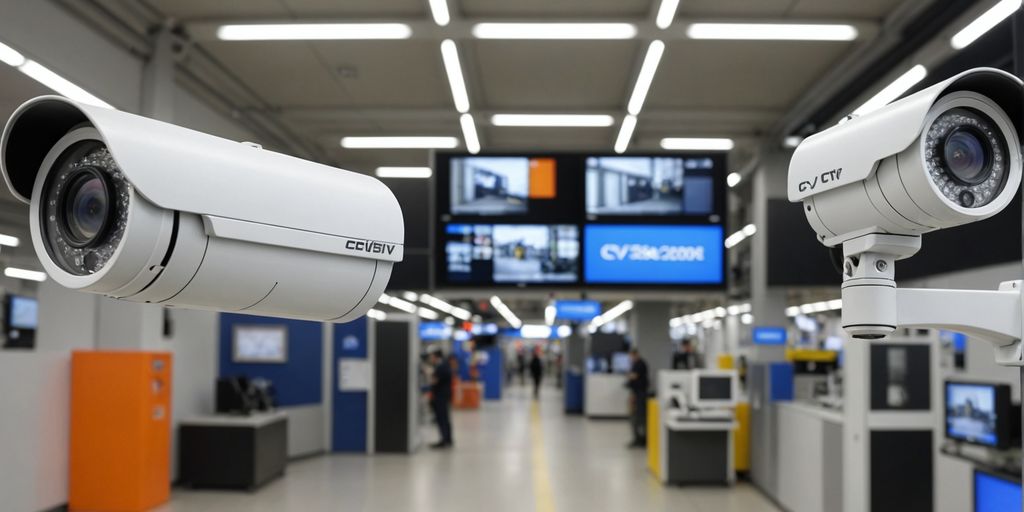
Image Quality and Resolution
When it comes to image quality, IP cameras generally offer superior resolution compared to analogue systems. IP cameras can capture high-definition video, making it easier to identify details like faces and licence plates. Analogue cameras, on the other hand, are limited by older TV standards like NTSC and PAL, which restrict their resolution.
Installation and Maintenance
Installing IP cameras can be more complex due to the need for network configuration. However, they offer greater flexibility as they can be powered over Ethernet (PoE), reducing the need for multiple cables. Analogue systems are simpler to set up but require separate cables for power and video, which can make the installation process cumbersome.
Cost Considerations
Analogue systems are generally cheaper upfront, making them a cost-effective option for smaller installations. However, the long-term costs can add up due to maintenance and the need for additional hardware. IP systems may have a higher initial cost but offer better scalability and lower maintenance costs over time.
Choosing between analogue and IP CCTV systems depends on your specific needs and budget. While IP systems offer better quality and flexibility, analogue systems can be a more affordable option for basic surveillance needs.
Making the Right Choice for Your Needs
Assessing Your Security Requirements
When choosing between analogue and IP CCTV systems, it’s crucial to evaluate your specific security needs. Consider the following questions:
- What areas need surveillance?
- Do you require high-resolution images for identification purposes?
- Is remote access to live footage important?
Understanding your requirements will help you make an informed decision.
Future-Proofing Your CCTV System
Investing in a CCTV system is a long-term commitment. To ensure your system remains relevant, consider the following:
- Opt for systems that support software updates.
- Choose cameras with higher resolution capabilities.
- Ensure compatibility with emerging technologies.
Future-proofing your system can save you from costly upgrades down the line.
Expert Tips for Decision Making
Here are some expert tips to guide your decision:
- Consult a professional: Get advice from security experts to understand the best options for your needs.
- Test before you buy: If possible, test different cameras to see which one meets your expectations.
- Consider scalability: Choose a system that can grow with your needs.
Making the right choice involves careful planning and consideration of both current and future needs. Take your time to evaluate all options before making a decision.
Conclusion
In the end, the choice between analogue and IP CCTV systems boils down to your specific needs and circumstances. Analogue cameras have a long history and are known for their simplicity and reliability. However, IP cameras bring a host of modern features, such as higher resolution and remote access, which can significantly enhance security and convenience. As technology continues to evolve, IP cameras are likely to become even more advanced and accessible. So, whether you stick with the tried-and-true analogue or embrace the cutting-edge IP technology, the most important thing is to ensure your security system meets your requirements and keeps you safe.
Frequently Asked Questions
What is the main difference between analogue and IP CCTV cameras?
Analogue CCTV cameras send video signals over coaxial cables to a recording device, while IP cameras transmit video as data over a network. This makes IP cameras more flexible and capable of higher resolutions.
Are IP CCTV systems more expensive than analogue ones?
Initially, IP CCTV systems can be more costly due to the advanced technology and installation requirements. However, they often save money in the long run with better image quality, easier scalability, and reduced maintenance costs.
Can I upgrade my existing analogue CCTV system to an IP system?
Yes, you can upgrade from analogue to IP. Many solutions exist to integrate old analogue cameras with new IP systems, allowing you to gradually transition without replacing all your equipment at once.