Understanding Analogue CCTV Technology
How Analogue Cameras Work
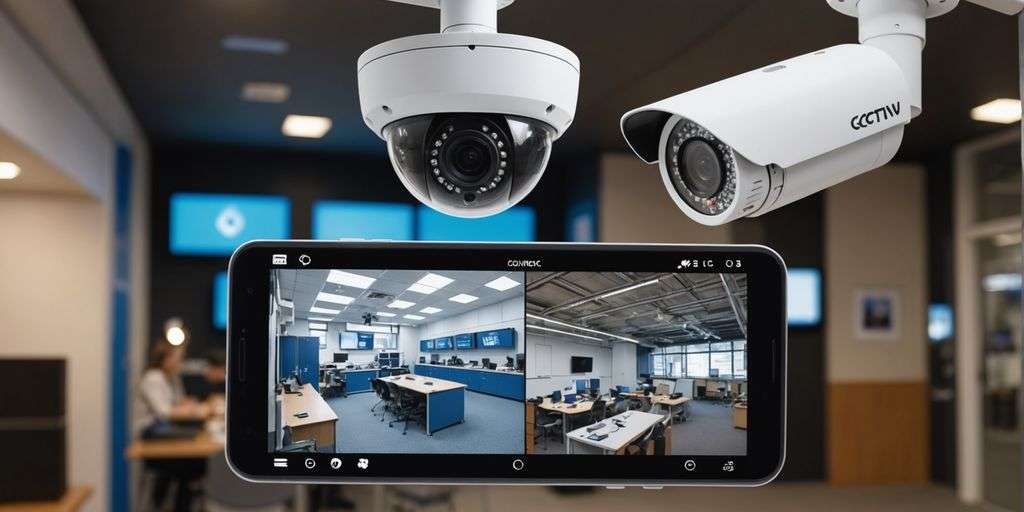
Analogue CCTV cameras capture video images using a sensor. The resolution of this sensor is typically limited to 720×575 pixels. The video is captured in 60 intervals called fields, and two fields make up a frame. This method is known as interlaced transmission. The video signal is then sent to a recording and display device through a single coaxial cable. The signal complies with broadcast television standards, such as NTSC or PAL, ensuring compatibility with analogue televisions.
Limitations of Analogue Systems
Analogue systems face several limitations. The fixed number of horizontal lines in NTSC or PAL standards caps the vertical resolution. Additionally, analogue signals can pick up noise, which can degrade the video quality. This noise can also make video compression less effective, leading to more compression artefacts. Furthermore, analogue TV standards can introduce decoding errors, resulting in issues like false colours. These limitations make analogue systems less ideal for applications requiring high detail, such as recognising faces or licence plates.
Common Uses for Analogue CCTV
Despite their limitations, analogue CCTV systems are still widely used. They are often found in:
- Small businesses
- Residential properties
- Older buildings with existing coaxial cable infrastructure
Analogue systems are generally more affordable and easier to install, making them a popular choice for basic surveillance needs.
Analogue CCTV systems have been around for over 50 years and continue to serve many users well, despite the advent of more advanced technologies.
Exploring IP CCTV Systems
How IP Cameras Operate
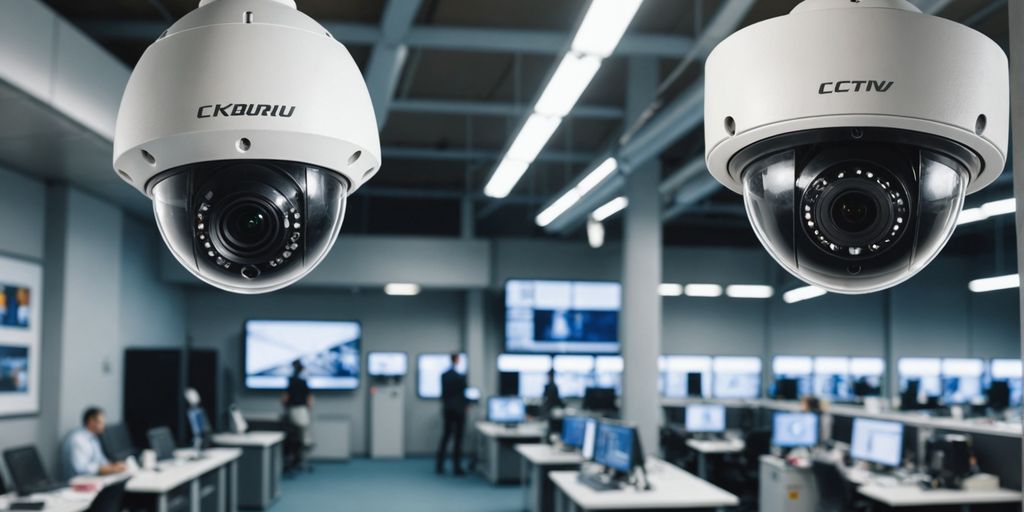
IP cameras, also known as network cameras, capture video footage and transmit it over an IP network. Unlike analogue cameras, which send video signals to a digital video recorder (DVR), IP cameras send data directly to a network video recorder (NVR) or a cloud-based storage system. This allows for remote access and management of the footage from any location with internet connectivity. IP cameras often come with built-in processing capabilities, enabling features like motion detection and tampering alerts.
Advantages of IP Technology
IP CCTV systems offer several benefits over their analogue counterparts:
- Higher Resolution: IP cameras generally provide better image quality and higher resolution, making it easier to identify details in the footage.
- Scalability: Adding more cameras to an IP system is straightforward, as it often only requires additional network bandwidth and storage capacity.
- Remote Access: Users can view live or recorded footage from anywhere, using a computer or mobile device.
- Advanced Features: Many IP cameras come with intelligent features like video analytics, facial recognition, and automatic alerts.
Challenges with IP Systems
Despite their advantages, IP CCTV systems do have some challenges:
- Complex Setup: Setting up an IP system can be more complicated than an analogue system, requiring knowledge of networking and IT.
- Bandwidth Requirements: High-resolution video streams can consume significant network bandwidth, potentially affecting other network services.
- Cost: Initial setup costs for IP systems can be higher, although they may offer savings in the long run.
When considering an IP CCTV system, it’s essential to weigh the benefits against the challenges to determine if it’s the right fit for your needs.
Comparing Image Quality and Resolution
Resolution Differences
When comparing analogue and IP cameras, resolution is a key factor. Analogue cameras typically offer resolutions up to 704×576 pixels (4CIF), while IP cameras can provide much higher resolutions, such as 1920×1080 pixels (Full HD) or even 2048×1536 pixels (3MP). This higher resolution allows IP cameras to capture more detail, making it easier to identify objects and individuals.
Impact of Compression
Compression methods, like MJPEG and H.264, play a significant role in image quality. While compression reduces the file size, it can also affect the clarity of the image. For instance, MJPEG offers better image quality but requires more storage, whereas H.264 provides a good balance between quality and storage efficiency. It’s important to choose the right compression method based on your specific needs.
Real-World Performance
In real-world scenarios, several factors influence the performance of CCTV systems. These include lighting conditions, lens quality, and the camera’s ability to handle different environments. For example, a high-resolution camera might not perform well in low-light conditions if it lacks good low-light sensitivity. Therefore, it’s crucial to consider all these factors to ensure optimal performance of your CCTV system.
When selecting a CCTV system, remember that higher resolution doesn’t always mean better performance. Consider the overall quality, including lens and sensor capabilities, to make an informed decision.
Making the Right Choice for Your Needs
Assessing Your Requirements
When choosing between analogue and IP CCTV systems, it’s crucial to assess your specific needs. Consider the following questions:
- What is the primary purpose of your surveillance system?
- Do you need high-resolution images for detailed monitoring?
- Is remote access to your camera feeds important?
- What are the lighting conditions in the areas you want to monitor?
Understanding your requirements will help you make an informed decision.
Cost Considerations
Cost is a significant factor when selecting a CCTV system. Analogue systems are generally less expensive upfront, but they may require more maintenance over time. IP systems, on the other hand, can be more costly initially but offer advanced features and scalability. Here’s a quick comparison:
| Feature | Analogue Systems | IP Systems |
|---|---|---|
| Initial Cost | Lower | Higher |
| Maintenance | Higher | Lower |
| Scalability | Limited | High |
| Advanced Features | Few | Many |
Future-Proofing Your Investment
To ensure your investment remains valuable over time, consider future-proofing your CCTV system. IP systems are generally more adaptable to new technologies and can be easily upgraded. Analogue systems may become outdated more quickly, requiring more frequent replacements.
Investing in a system that can grow with your needs will save you time and money in the long run.
By carefully evaluating your requirements, considering costs, and planning for the future, you can choose the CCTV system that best meets your needs.
Conclusion
In conclusion, both analogue and IP CCTV systems have their own strengths and weaknesses. Analogue cameras are simple and reliable, making them a good choice for basic surveillance needs. However, they fall short when it comes to image quality and advanced features. On the other hand, IP cameras offer superior image resolution and a range of smart features, such as remote access and video analytics. They are more flexible and future-proof, but can be more complex to set up and manage. Ultimately, the choice between analogue and IP cameras depends on your specific needs and budget. By understanding the differences, you can make an informed decision that best suits your security requirements.
Frequently Asked Questions
What is the main difference between analogue and IP cameras?
Analogue cameras send video signals over a coaxial cable to a recorder, while IP cameras send video as data over a network. This means IP cameras can offer higher resolution and more advanced features.
Are IP cameras harder to install than analogue cameras?
IP cameras can be more complex to set up because they require network configuration. However, many modern IP cameras come with user-friendly software to simplify the process.
Which type of camera is more cost-effective?
Analogue cameras are generally cheaper upfront, but IP cameras can offer better long-term value due to higher resolution, advanced features, and easier scalability.