
The Basics of Analogue CCTV Systems
How Analogue Cameras Work
Analogue CCTV cameras capture video images using a sensor. The resolution of this sensor is typically limited to 720×575 pixels. The video is captured in 60 intervals called "fields," and two fields make up a "frame." This method is known as interlaced transmission. The video signal is then sent to a recording and display device through a single coaxial cable. This setup ensures compatibility with traditional analogue televisions.
Common Standards: NTSC and PAL
There are two main standards for analogue video: NTSC and PAL. NTSC is commonly used in North America and Japan, while PAL is prevalent in Europe and many other parts of the world. NTSC specifies 525 lines per frame with a refresh rate of 59.94 Hz, whereas PAL specifies 625 lines per frame with a 50 Hz refresh rate. These standards dictate the number of horizontal lines in the video, which is fixed and must be adhered to for compliance.
| Format | NTSC-Based | PAL-Based |
|---|---|---|
| QCIF | 176 x 120 | 176 x 144 |
| CIF | 352 x 240 | 352 x 288 |
Limitations of Analogue Technology
Analogue systems have several limitations. The coaxial cables can pick up noise, which affects video quality. Noise can also make video compression less effective, leading to more compression artefacts. Additionally, analogue TV standards can introduce their own imperfections, such as false colours in black-and-white images. These limitations make analogue systems less ideal for applications requiring high detail, like recognising faces or licence plates.
Analogue CCTV systems have served well for over 50 years, but they are not perfect for modern needs where detail and clarity are crucial.
Exploring IP CCTV Technology
How IP Cameras Operate
IP cameras, also known as network cameras, capture and transmit video data over an IP network. Unlike analogue cameras, which send video signals to a DVR, IP cameras encode and process video data internally. This allows for direct streaming to a network storage device or a computer. One of the key benefits of IP cameras is their ability to provide high-resolution images, which can be accessed remotely from any location with an internet connection.
Advantages of IP Cameras
IP cameras offer several advantages over their analogue counterparts:
- High Resolution: IP cameras can capture images in resolutions far exceeding those of analogue cameras, providing clearer and more detailed footage.
- Scalability: Adding more cameras to an IP system is straightforward and does not require extensive cabling work.
- Remote Access: Users can view live or recorded footage from anywhere, enhancing flexibility and convenience.
- Advanced Features: Many IP cameras come with built-in analytics, such as motion detection and tampering alerts, which can enhance security measures.
With IP cameras, local processing of the video image may be done during capture and analysis like motion detection and tampering detection logic may raise alerts by communicating with a central server.
Challenges and Considerations
While IP cameras offer numerous benefits, there are also challenges to consider:
- Cost: Initial setup costs for IP systems can be higher due to the need for network infrastructure and higher-priced cameras.
- Bandwidth: IP cameras require significant bandwidth for high-quality video streaming, which can strain existing network resources.
- Technical Expertise: Setting up and maintaining an IP camera system requires knowledge of networking and IT, which may necessitate professional assistance.
- Compatibility: Ensuring that new IP cameras integrate seamlessly with existing systems can be a complex task.
Despite these challenges, the advantages of IP cameras often outweigh the drawbacks, making them a popular choice for modern surveillance systems.
Comparing Image Quality and Resolution
Resolution Differences
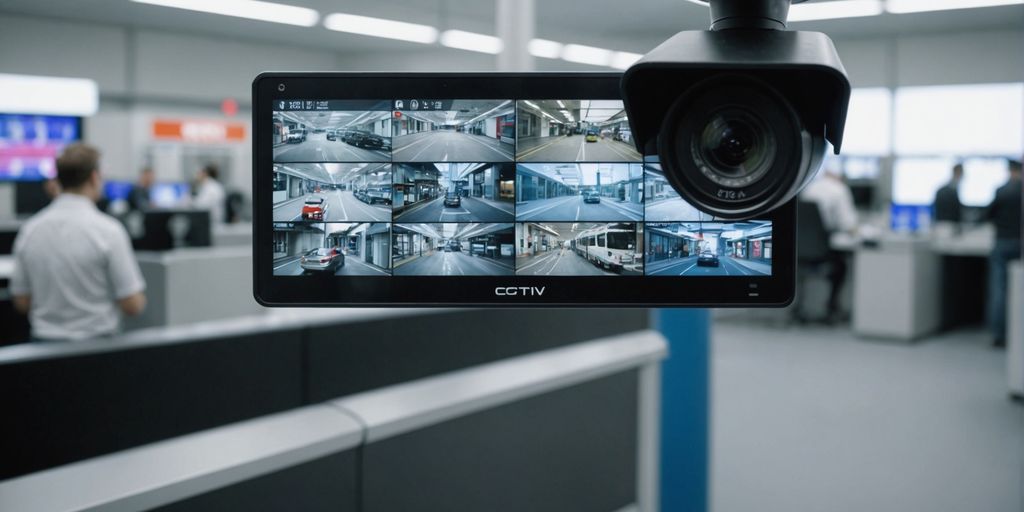
When comparing analogue and IP cameras, resolution is a key factor. Analogue cameras typically offer resolutions like 352×240 (CIF) or 704×480 (4CIF). In contrast, IP cameras can provide much higher resolutions, such as 1280×720 (HD) or even 1920×1080 (Full HD). Higher resolution means more detail, allowing you to zoom in on images without losing clarity. For instance, a 3-megapixel IP camera can cover the same area as three analogue cameras while still providing better detail.
Impact of Compression
Compression plays a significant role in image quality. IP cameras use codecs like MJPEG or H.264 to compress video data, which can affect the final image quality. While compression helps in reducing storage and bandwidth requirements, it can also introduce artefacts that degrade the image. It’s essential to balance compression levels to maintain optimal image quality.
Real-World Performance
In real-world scenarios, several factors influence image quality beyond resolution. The quality of the lens, lighting conditions, and the camera’s ability to handle low-light situations all play crucial roles. For example, a camera with a high resolution but poor lens quality may not deliver the expected performance. Similarly, cameras with wide dynamic range (WDR) can handle varying lighting conditions better, providing clearer images in both bright and dark areas.
When planning a CCTV system, it’s crucial to consider all these factors to ensure you get the best possible image quality. Simply opting for the highest resolution may not always yield the best results.
Making the Switch: Transitioning from Analogue to IP
Planning Your Upgrade
Transitioning from analogue to IP CCTV systems requires careful planning. Start by assessing your current setup and identifying the specific needs of your surveillance system. Consider the number of cameras, the areas they cover, and the quality of footage required. Create a detailed plan that includes the placement of new IP cameras, network requirements, and storage solutions.
Cost Implications
Switching to IP cameras can be an investment, but it often pays off in the long run. While the initial costs may be higher due to the price of IP cameras and network infrastructure, the benefits include lower maintenance costs and improved functionality. Evaluate the total cost of ownership over time, including potential savings from reduced cabling and power requirements.
Integration with Existing Systems
Integrating new IP cameras with existing analogue systems can be challenging but manageable. Use hybrid systems that support both types of cameras or employ encoders to convert analogue signals to digital. Ensure your network can handle the increased data load and consider upgrading your storage solutions to accommodate higher resolution footage.
Transitioning to IP technology not only enhances the quality and accessibility of your surveillance footage but also future-proofs your security system for upcoming advancements.
Conclusion
In the end, choosing between analogue and IP CCTV systems boils down to your specific needs and circumstances. Analogue systems, with their simplicity and lower cost, might be suitable for smaller setups or those with existing infrastructure. On the other hand, IP systems offer superior image quality, flexibility, and advanced features, making them ideal for larger or more complex installations. As technology continues to evolve, IP cameras are likely to become even more prevalent, offering new possibilities for security and surveillance. Whichever path you choose, understanding the strengths and limitations of each technology will help you make an informed decision that best suits your requirements.
Frequently Asked Questions
What are the main differences between analogue and IP CCTV cameras?
Analogue cameras send video over coaxial cables and follow TV standards like NTSC or PAL. IP cameras, on the other hand, send video as data over a network and can offer higher resolutions and more features.
Why is the image quality better in IP cameras compared to analogue cameras?
IP cameras can offer higher resolution and better image processing. They are not limited by old TV standards and can use advanced technologies to improve video quality.
Is it expensive to switch from an analogue CCTV system to an IP-based system?
Switching to an IP-based system can be costly initially due to the need for new cameras and networking equipment. However, the long-term benefits, such as better image quality and easier management, often outweigh the initial costs.