Understanding Analogue CCTV Technology
How Analogue Cameras Work
Analogue CCTV cameras capture video images using a sensor. The resolution of these sensors is typically limited to 720×575 pixels. The video is captured in 60 intervals called "fields," and two fields make up a "frame." This method is known as interlaced transmission. The video signal is then transmitted to a recording and display device via a single coaxial cable. The signal complies with broadcast television standards, such as NTSC or PAL, ensuring compatibility with analogue televisions.
Common Issues with Analogue Systems
Analogue systems often face issues like noise interference, which can degrade video quality. Despite being shielded, coaxial cables can pick up noise, and the analogue capture hardware in recorders can also introduce noise. This noise can cause compression artefacts in recordings, reducing the overall quality. Additionally, analogue TV standards have imperfections that can introduce decoding errors, such as false colours in black-and-white images.
Advantages of Analogue CCTV
Analogue CCTV systems are generally more straightforward to install and maintain compared to their IP counterparts. They are also typically less expensive, making them a cost-effective option for many users. Another advantage is their compatibility with existing analogue televisions and recording equipment, which can be a significant benefit for those looking to upgrade their security systems without replacing all their hardware.
Exploring IP CCTV Technology
How IP Cameras Operate
IP cameras, also known as network cameras, capture video footage and transmit it over an IP network. Unlike analogue cameras, which send video signals through a direct connection, IP cameras convert video into digital data. This data can be sent over the internet or a local network, allowing for remote access and control. One key advantage of IP cameras is their ability to process video data locally, enabling features like motion detection and tampering alerts.
Benefits of IP-Based Systems
IP-based CCTV systems offer several benefits over their analogue counterparts:
- Higher Resolution: IP cameras often provide higher resolution images, which means clearer and more detailed footage.
- Scalability: Adding more cameras to an IP system is easier and more flexible compared to analogue systems.
- Remote Access: Users can view live or recorded footage from anywhere with an internet connection.
- Advanced Features: IP cameras support advanced features like video analytics, which can enhance security and operational efficiency.
IP-based systems eliminate the inefficiencies of analogue systems, such as the need to physically retrieve video footage. Digital images can be easily shared and accessed remotely, improving response times and collaboration.
Challenges in Implementing IP CCTV
Despite their advantages, IP CCTV systems come with their own set of challenges:
- Network Dependency: IP cameras rely on network infrastructure, which means they are susceptible to network issues and bandwidth limitations.
- Complex Installation: Setting up an IP system can be more complex, requiring knowledge of networking and IT.
- Higher Initial Costs: The initial investment for IP cameras and related equipment can be higher compared to analogue systems.
- Security Concerns: As with any networked device, IP cameras can be vulnerable to cyber-attacks if not properly secured.
Addressing these challenges requires careful planning and collaboration between IT and security teams to ensure a robust and reliable IP CCTV system.
Comparing Analogue and IP CCTV Systems
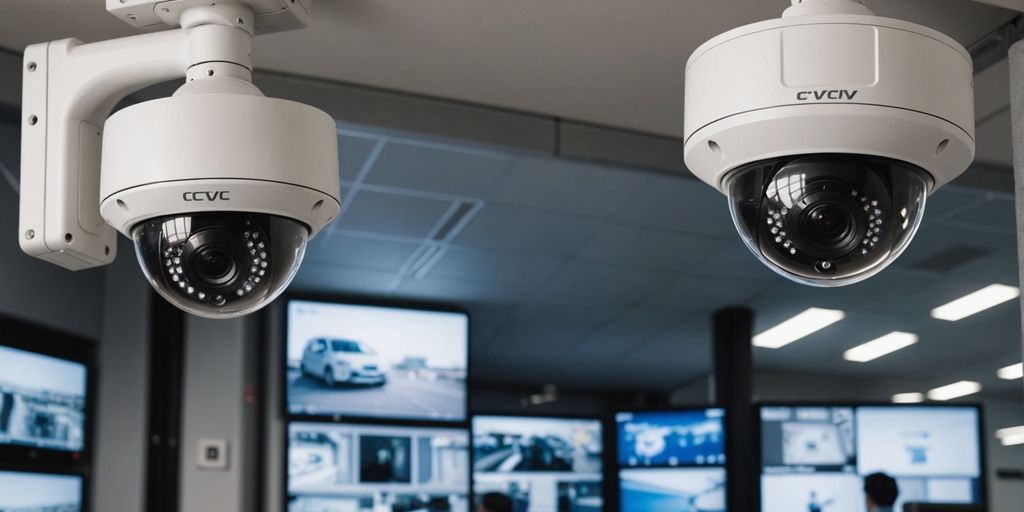
Image Quality and Resolution
When it comes to image quality, IP cameras generally offer superior resolution compared to analogue systems. Analogue cameras are often limited to standard definition, while IP cameras can provide high-definition (HD) and even ultra-high-definition (UHD) images. This means clearer and more detailed footage, which is crucial for identifying faces or licence plates.
Installation and Maintenance
Installing IP cameras can be more complex due to the need for network configuration and higher technical knowledge. However, they offer greater flexibility as they can be powered over Ethernet (PoE), reducing the need for multiple cables. Analogue systems, on the other hand, are simpler to set up but require separate cables for power and video transmission.
Maintenance for IP systems can be done remotely, which is a significant advantage. Analogue systems often require on-site visits for troubleshooting and repairs.
Cost Considerations
Initial costs for IP cameras are typically higher than for analogue cameras. However, the total cost of ownership may be lower in the long run due to easier maintenance and better scalability. Analogue systems might be cheaper upfront but can incur higher costs over time due to more frequent maintenance and upgrades.
While IP systems offer advanced features and better image quality, they require a higher initial investment and technical expertise. Analogue systems are more straightforward and cost-effective initially but may not meet the high-resolution needs of modern surveillance.
Conclusion
In the end, choosing between analogue and IP CCTV systems comes down to your specific needs and circumstances. Analogue cameras have been around for decades and are known for their reliability and simplicity. However, they fall short when it comes to image quality and flexibility. On the other hand, IP cameras offer superior image resolution, easier scalability, and advanced features like remote access and intelligent video analytics. While they might be more complex and require a bit more know-how to set up, the benefits they bring can be well worth the effort. So, whether you opt for the tried-and-true analogue system or the cutting-edge IP technology, the key is to understand what each system offers and how it fits into your security goals. Remember, the best system is the one that meets your needs and keeps your assets safe.
Frequently Asked Questions
What is the main difference between analogue and IP CCTV cameras?
Analogue CCTV cameras send video signals over coaxial cables to a recording device, while IP cameras transmit video as data over a network. This means IP cameras can offer higher resolution and more features.
Are IP CCTV systems more expensive than analogue ones?
Typically, IP CCTV systems have a higher initial cost due to advanced features and better image quality. However, they can be more cost-effective in the long run due to easier installation and maintenance, and fewer cameras needed for the same coverage.
Can I upgrade my existing analogue CCTV system to an IP system?
Yes, you can upgrade an existing analogue system to an IP system. This can be done using encoders that convert analogue signals to digital, allowing integration with an IP network.