Understanding Analogue CCTV Systems
Key Features of Analogue Cameras
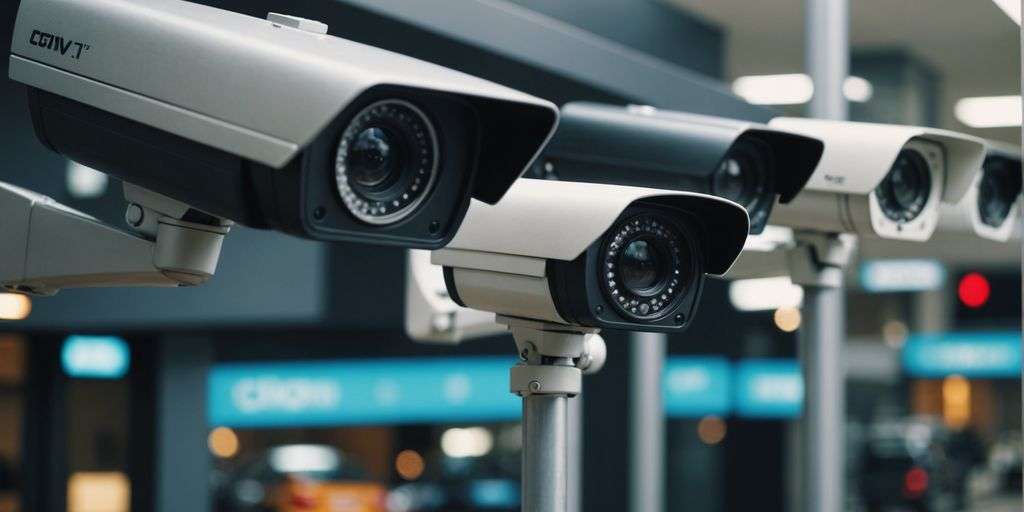
Analogue CCTV cameras have been a staple in surveillance for decades. These cameras capture video images using a sensor, typically limited to a resolution of 720×575 pixels. One of the main advantages of analogue systems is their affordability and ease of installation. They operate on a closed system, meaning the footage is transmitted directly to a recording device without the need for internet connectivity.
Limitations of Analogue Technology
Despite their widespread use, analogue CCTV systems come with several limitations. They are not future-proof and offer very limited remote monitoring capabilities. Additionally, they require dedicated, often expensive, cabling and special recording devices like Time-Lapse VCRs and Multiplexers. The image quality is also lower compared to modern digital solutions.
Common Use Cases for Analogue CCTV
Analogue CCTV systems are commonly used in smaller installations where budget constraints are a significant factor. They are ideal for locations that do not require high-resolution footage or remote access. Examples include small retail stores, private residences, and some industrial sites.
Analogue CCTV systems, while not as advanced as their digital counterparts, still offer a reliable and cost-effective solution for basic surveillance needs.
Exploring IP Camera Technology
Advantages of IP Cameras
IP cameras have revolutionised the surveillance industry with their advanced features. One major advantage is their ability to provide high-resolution images, which ensures clearer and more detailed footage. Unlike analogue cameras, IP cameras can transmit video over the internet, making remote monitoring possible. They also support two-way audio, allowing for real-time communication.
Technological Innovations in IP Systems
Modern IP cameras come equipped with a variety of interfaces to extract video, including built-in web servers that allow users to view footage directly through any web browser. This technology eliminates the constraints of traditional broadcast standards, enabling cameras to achieve virtually any resolution. Some IP cameras even offer advanced features like motion detection, night vision, and facial recognition.
Use Cases for IP-Based Surveillance
IP-based surveillance systems are versatile and can be used in various settings. They are ideal for large-scale installations like airports, shopping centres, and corporate offices due to their scalability and flexibility. Additionally, they are suitable for residential use, providing homeowners with the ability to monitor their property remotely. The integration of modern technologies makes IP cameras a preferred choice for many surveillance needs.
IP cameras offer a level of flexibility and functionality that is hard to match, making them a valuable asset in any security setup.
Transitioning from Analogue to IP-Based Systems
Transitioning from an analogue CCTV system to an IP-based one can seem daunting, but with the right steps, it can be a smooth process. Understanding the key steps involved will help ensure a successful transition.
Steps to Convert Your System
- Assess Your Current Setup: Begin by evaluating your existing analogue system. Identify which components can be retained and which need to be replaced.
- Choose the Right IP Cameras: Select IP cameras that meet your security needs. Consider factors like resolution, field of view, and night vision capabilities.
- Upgrade Your Network Infrastructure: Ensure your network can handle the increased data load from IP cameras. This might involve upgrading routers, switches, and cabling.
- Install Network Video Recorders (NVRs): NVRs are essential for storing and managing video footage from IP cameras. Choose an NVR that supports the number of cameras you plan to install.
- Integrate and Test: Once all components are in place, integrate them into a cohesive system and conduct thorough testing to ensure everything works seamlessly.
Cost Implications and Benefits
While the initial investment in IP technology can be higher, the long-term benefits often outweigh the costs. IP systems offer superior image quality, scalability, and remote monitoring capabilities. Additionally, maintenance costs are generally lower compared to analogue systems.
Future-Proofing Your Surveillance Setup
To ensure your surveillance system remains effective in the long run, consider future-proofing strategies. Opt for scalable solutions that allow for easy expansion. Stay updated with the latest technological advancements and be prepared to integrate new features as they become available.
Transitioning to an IP-based system not only enhances your security but also provides a flexible and scalable solution for future needs. Expertly install CCTV systems with PTZ and dome cameras for comprehensive security. Choose the right configuration for your needs. Post-installation support ensures optimal performance.
Comparing Analogue and IP Systems
Image Quality and Resolution
When it comes to image quality, IP cameras generally offer superior resolution compared to analogue systems. This means clearer and more detailed footage, which can be crucial for identifying faces or licence plates. Analogue cameras, on the other hand, often struggle with lower resolution, making them less effective for detailed surveillance.
Scalability and Flexibility
IP systems are highly scalable and flexible. You can easily add more cameras to an existing network without significant rewiring. This makes them ideal for growing businesses or expanding facilities. Analogue systems, however, require more dedicated cabling, which can be cumbersome and expensive to scale.
Integration with Modern Technologies
IP cameras can integrate seamlessly with modern technologies like cloud storage, advanced analytics, and remote monitoring. This allows for more sophisticated surveillance solutions. Analogue systems, while reliable, often lack these advanced features and are limited in their integration capabilities.
Transitioning to an IP-based system not only enhances your surveillance capabilities but also future-proofs your setup, making it adaptable to new technologies and requirements.
Conclusion
In the end, choosing between analogue and IP CCTV systems boils down to your specific needs and future plans. Analogue systems have been around for a long time and are well-understood, but they come with limitations like lower image quality and less flexibility. On the other hand, IP systems offer better image quality, easier scalability, and more advanced features like remote monitoring and integration with other systems. As technology continues to advance, IP systems are becoming the go-to choice for many. So, whether you’re upgrading an old system or starting from scratch, it’s worth considering the benefits of going digital.
Frequently Asked Questions
What are the main differences between analogue and IP cameras?
Analogue cameras send video over coaxial cables, while IP cameras send video digitally through network cables. IP cameras usually offer better image quality and more features.
Can I upgrade my existing analogue CCTV system to an IP-based one?
Yes, you can. There are various options available to convert your analogue system to an IP-based one, such as using video encoders.
What are the benefits of switching to IP cameras?
IP cameras provide higher image quality, scalability, and integration with modern technologies. They also offer better remote monitoring and future-proofing options.