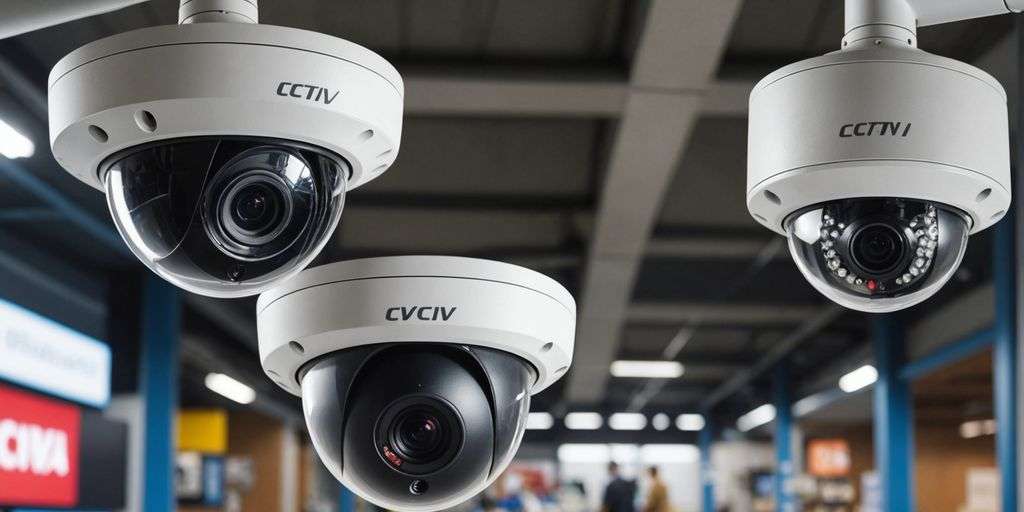
Understanding Analogue CCTV Cameras
How Analogue Cameras Work
Analogue CCTV cameras capture video using a sensor, which is then transmitted to a receiver. The video is captured in 60 intervals called "fields," and two fields together make a "frame." This method is known as interlaced transmission. The video signal is sent through a single coaxial cable, adhering to broadcast television standards like NTSC and PAL. These standards fix the number of horizontal lines in the picture, limiting the vertical resolution.
Common Issues with Analogue Systems
Despite being shielded, coaxial cables can still pick up noise, which affects the video quality. This noise can cause compression artefacts in recordings, making it harder to identify details like licence plates or faces. Additionally, analogue TV standards introduce imperfections, such as false colours in black-and-white images. These issues highlight the limitations of analogue systems in providing high-quality surveillance.
Advantages of Analogue Cameras
Analogue cameras are generally more affordable and easier to set up compared to their IP counterparts. They are compatible with older television systems, making them a good choice for those who do not need high-resolution video. Furthermore, analogue systems are less complex, requiring fewer technical skills for installation and maintenance.
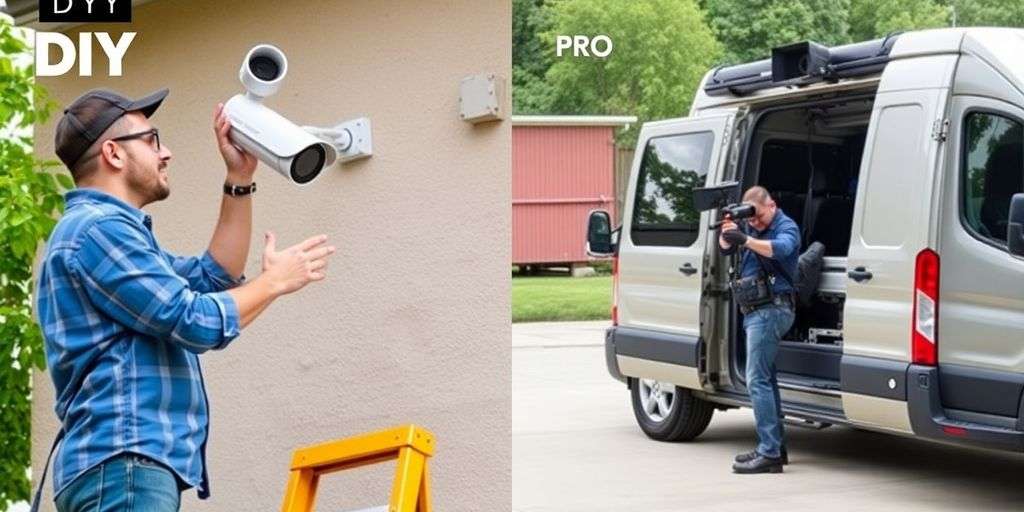
For optimal performance, professional installation is recommended to ensure the system works effectively and provides peace of mind.
Exploring IP CCTV Cameras
How IP Cameras Operate
IP cameras, also known as network cameras, transmit video data over an IP network. This allows for remote access and control, making it easier to monitor your assets from any location. Unlike analogue cameras, IP cameras convert video footage into digital data, which can be stored on networked devices like NAS or PC servers. This digital format ensures that the video quality remains high, even after multiple transfers or duplications.
Benefits of IP Cameras
IP cameras offer several advantages over their analogue counterparts:
- High Resolution: IP cameras generally provide better image quality and higher resolution.
- Scalability: Easily add more cameras to the system without significant changes to the infrastructure.
- Remote Access: View live footage from anywhere, enhancing security and convenience.
- Advanced Features: Many IP cameras come with built-in analytics like motion detection and tampering alerts.
Challenges with IP Camera Systems
Despite their benefits, IP camera systems do have some challenges:
- Complex Setup: Setting up an IP camera system can be more complicated, requiring knowledge of networking.
- Higher Initial Cost: The initial investment for IP cameras and related equipment can be higher.
- Network Dependency: The performance of IP cameras is heavily reliant on the network’s stability and speed.
While IP cameras offer advanced features and high-quality video, they require a stable network and can be more complex to set up initially. However, their scalability and remote access capabilities make them a valuable addition to modern security systems.
Comparing Image Quality and Resolution
Resolution in Analogue Cameras
Analogue cameras typically offer lower resolution compared to their IP counterparts. Common resolutions include CIF (352×240) and D1 (720×480). These resolutions are often sufficient for basic surveillance needs but may lack the detail required for identifying small objects or faces from a distance. Lens quality and lighting conditions also play a significant role in the final image quality.
Resolution in IP Cameras
IP cameras, on the other hand, provide much higher resolutions, often starting from 1 megapixel (1280×720) and going up to 5 megapixels (2592×1944) or more. This higher resolution allows for greater detail, enabling the identification of features like licence plates or facial details. Additionally, a single high-resolution IP camera can cover a wider area than multiple analogue cameras, potentially reducing overall installation costs.
Impact on Surveillance Effectiveness
Higher resolution directly impacts the effectiveness of surveillance. With better resolution, you can zoom into an image without it becoming blurry, making it easier to identify crucial details. However, it’s important to note that resolution isn’t the only factor; lens quality and low-light performance are also critical. As resolution increases, the importance of these factors grows, ensuring that the camera performs well in various conditions.
When choosing between analogue and IP cameras, consider the specific needs of your surveillance area. Higher resolution can offer more detailed monitoring, but it also requires better lenses and lighting conditions to be truly effective.
Installation and Maintenance Considerations
Setting Up Analogue Systems
Setting up analogue CCTV systems can be straightforward. These systems typically involve connecting the camera to a recording device and a monitor using coaxial cables. Ensure all connections are secure to avoid signal loss. Here are some steps to follow:
- Choose the right location for your cameras.
- Mount the cameras securely.
- Connect the cameras to the DVR using coaxial cables.
- Power up the system and adjust the camera settings.
Installing IP Cameras
Installing IP cameras involves a bit more complexity due to network configurations. These cameras connect to the network via Ethernet cables, allowing for remote access. Follow these steps for a smooth installation:
- Select optimal locations for camera placement.
- Mount the cameras using appropriate brackets.
- Connect the cameras to the network using Ethernet cables.
- Configure the cameras through the network settings.
- Test the system to ensure all cameras are accessible remotely.
Maintenance Tips for Both Systems
Regular maintenance is crucial for both analogue and IP systems to ensure longevity and optimal performance. Here are some tips:
- Clean the camera lenses regularly to avoid blurry images.
- Check all connections periodically to ensure they are secure.
- Update firmware to benefit from the latest features and security patches.
- Inspect the power supply to prevent outages.
For any issues or further assistance, don’t hesitate to [contact us to address your inquiries](012 000 8616). Our dedicated team is here to help with all your CCTV needs, from installation to maintenance.
Conclusion
In the end, choosing between analogue and IP CCTV systems boils down to your specific needs. Analogue systems are reliable and straightforward, making them ideal for smaller setups with limited budgets. On the other hand, IP systems offer superior image quality, flexibility, and advanced features, which are perfect for larger or more complex installations. As technology continues to evolve, IP cameras are becoming more accessible and affordable, making them a viable option for a wider range of users. Whichever you choose, both technologies have their own strengths and can provide effective security solutions when used correctly.
Frequently Asked Questions
How do I install and maintain a CCTV or video surveillance system?
CCTV systems usually need long cables, so it’s best to get a professional to install them. Video surveillance is a bit easier to set up but still benefits from expert configuration. For both types, you should regularly check the cameras, storage devices, and monitoring systems to make sure everything works well.
Is CCTV the same as general video surveillance?
No, they are not the same. CCTV is a part of video surveillance that focuses on monitoring specific locations using closed-circuit camera systems. Video surveillance is a broader term that includes various technologies and methods for monitoring and recording video.
Where are CCTV systems commonly installed?
CCTV systems are often set up in places like banks, stores, malls, warehouses, factories, office complexes, apartment buildings, hotels, casinos, clubs, hospitals, schools, and government buildings. These places need security and monitoring to control access and keep an eye on activities.