
Understanding Analogue CCTV Cameras
How Analogue Cameras Work
Analogue CCTV cameras capture video images using a sensor. The resolution of this sensor is typically limited to 720×575 pixels. The video is captured in 60 intervals called "fields," and two fields together make a "frame." This method is known as interlaced transmission. The video signal is then sent to a recording device through a single coaxial cable. This setup ensures compatibility with traditional television standards, making it easier to use off-the-shelf products for display and recording.
Limitations of Analogue Technology
Analogue systems have several limitations. The fixed number of horizontal lines in the picture, dictated by standards like NTSC and PAL, caps the vertical resolution. Additionally, the coaxial cable can pick up noise, which can degrade the video quality. This noise can also make video compression less effective, leading to more compression artefacts. Furthermore, analogue TV standards introduce their own imperfections, such as decoding errors that can cause false colours in the video.
Despite these limitations, analogue CCTV systems have been remarkably effective for over 50 years. However, they are not ideal for applications requiring high detail, like recognising faces or licence plates.
Common Uses for Analogue CCTV
Analogue CCTV cameras are commonly used in various settings due to their simplicity and cost-effectiveness. They are often found in:
- Small businesses
- Residential properties
- Older security systems that have not been upgraded to digital
These systems are particularly useful for basic surveillance needs where high resolution is not a priority. For more tailored solutions, professional CCTV installation services can enhance the effectiveness of these systems by ensuring optimal placement and ongoing maintenance.
Exploring IP CCTV Cameras
Advantages of IP Cameras
IP cameras offer several benefits over traditional analogue systems. One major advantage is their ability to provide high-resolution images, which can be crucial for identifying details in security footage. Additionally, IP cameras can be easily integrated into existing network infrastructure, allowing for remote access and management. This means you can monitor your property from anywhere in the world, provided you have an internet connection.
IP Camera Features and Capabilities
IP cameras come with a range of features that enhance their functionality. Many models include built-in motion detection, which can trigger alerts and recordings when movement is detected. Some advanced IP cameras also offer facial recognition and tampering detection. These features make IP cameras a versatile choice for various security needs.
Challenges in Implementing IP Systems
While IP cameras have many advantages, there are also challenges to consider. One of the main issues is the need for a robust network to support the high data transfer rates required for high-resolution video. Additionally, the initial setup and configuration can be more complex compared to analogue systems. It’s essential to ensure that your network is secure to prevent unauthorised access to your cameras.
Comparing Image Quality and Performance
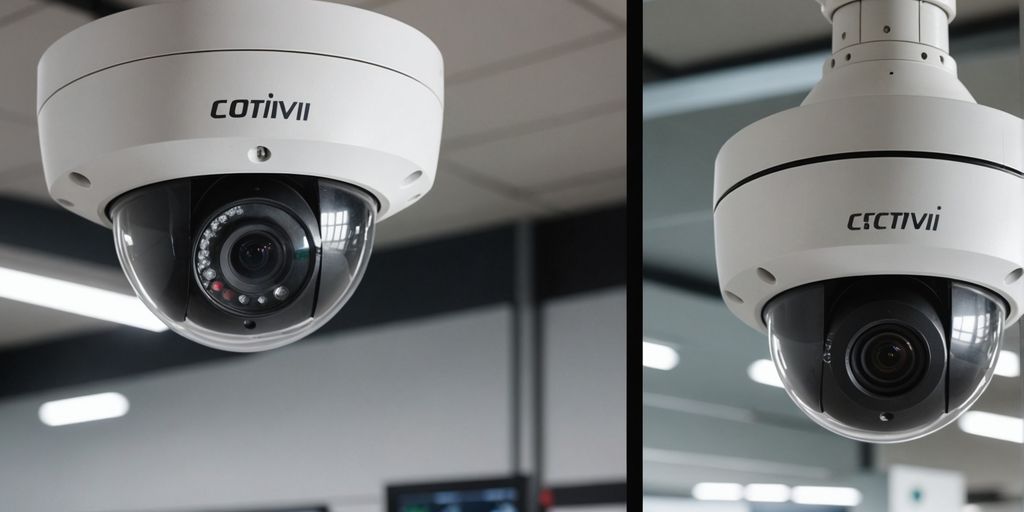
When it comes to CCTV technology, image quality and performance are crucial factors to consider. This section will delve into the differences in resolution, the impact of compression, and real-world performance scenarios for both analogue and IP cameras.
Making the Right Choice for Your Needs
Choosing between analogue and IP CCTV systems can be challenging. Here, we break down the key factors to help you make an informed decision.
Conclusion
In the end, choosing between analogue and IP CCTV systems boils down to your specific needs and circumstances. Analogue cameras, with their simplicity and lower cost, might be suitable for smaller, less complex setups. On the other hand, IP cameras offer superior image quality, scalability, and advanced features, making them ideal for larger or more demanding environments. As technology continues to evolve, IP systems are becoming more accessible and affordable, bridging the gap between the two. Ultimately, understanding the strengths and limitations of each type will help you make an informed decision that best suits your security needs.
Frequently Asked Questions
What is the main difference between analogue and IP CCTV cameras?
Analogue CCTV cameras send video signals over a coaxial cable to a recorder, while IP cameras send video as data over a network, allowing for higher resolution and more features.
Are IP cameras more expensive than analogue cameras?
IP cameras can be more expensive initially, but they often save money in the long run due to better image quality, fewer cameras needed, and easier installation and maintenance.
Can I use both analogue and IP cameras in the same security system?
Yes, you can use both types in the same system with the help of a hybrid DVR/NVR, which can process both analogue and IP video signals.