The Basics of Analogue CCTV Systems
Analogue CCTV systems have been a cornerstone of video surveillance for decades. These systems are known for their simplicity and reliability, making them a popular choice for various security applications.
How Analogue Cameras Work
Analogue cameras capture video images using a sensor. The resolution of this sensor is typically limited to 720×575 pixels. The video is transmitted to a receiver through a single coaxial cable. This method ensures compatibility with traditional television standards like NTSC and PAL. The video signal is interlaced, meaning it is sent in two fields that together form a complete frame.
Common Uses for Analogue CCTV
Analogue CCTV systems are widely used in locations that require constant monitoring. These include:
- Banks
- Retail stores
- Warehouses
- Office buildings
- Hospitals
Their straightforward setup and reliable performance make them ideal for these environments.
Limitations of Analogue Technology
Despite their advantages, analogue systems have several limitations. The fixed resolution can hinder the ability to capture fine details, such as licence plates or facial features. Additionally, the coaxial cables can pick up noise, which can degrade the video quality. Noise can also complicate video compression, leading to more noticeable compression artefacts.
Analogue CCTV systems work well for basic surveillance needs but may fall short in applications requiring high detail and clarity.
Exploring IP Camera Technology
How IP Cameras Operate
IP cameras function similarly to analogue cameras in that they capture images using an image sensor. However, once the image is captured, it is transmitted as data over a network connection. This data is in the form of compressed video frames sent over standardised networking protocols. IP stands for Internet Protocol, the language used to transmit data between computers. Essentially, an IP camera is like a small computer that you can connect to for accessing video footage. Unlike analogue cameras, IP cameras are not limited by broadcast standards, allowing for higher resolutions and better image quality.
Advantages of IP Cameras
IP cameras offer several benefits over their analogue counterparts:
- Higher Resolution: IP cameras can provide much higher resolution images, which means better detail and clarity.
- Remote Access: You can access the footage from anywhere with an internet connection, making it easier to monitor your property remotely.
- Scalability: Adding more cameras to an IP system is straightforward and does not require significant changes to the existing setup.
- Advanced Features: Many IP cameras come with advanced features like motion detection, tampering alerts, and even video analytics.
Challenges in Implementing IP Systems
While IP cameras offer many advantages, there are also some challenges to consider:
- Network Dependency: IP cameras rely on network connectivity, so any network issues can affect the performance of the surveillance system.
- Higher Initial Costs: The initial setup cost for IP cameras can be higher compared to analogue systems, although this can be offset by the long-term benefits.
- Complexity: Setting up and managing an IP camera system can be more complex, requiring a good understanding of networking and IT.
Implementing an IP camera system can be a game-changer for your surveillance needs, but it’s essential to weigh the pros and cons carefully to make an informed decision.
Comparing Image Quality and Resolution
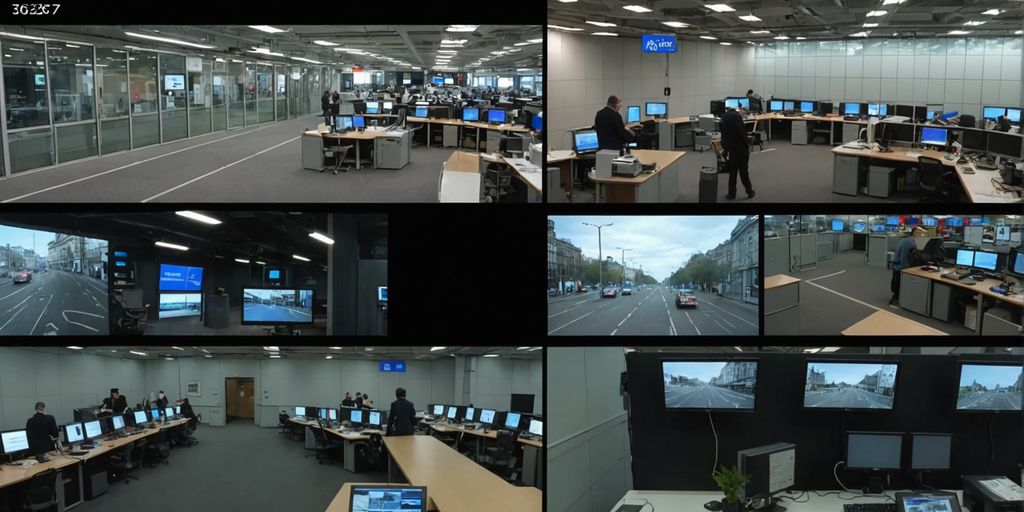
Resolution Differences
When comparing analogue and IP cameras, resolution is a key factor. Analogue cameras typically offer resolutions like 352×240 (CIF) or 704×480 (4CIF). In contrast, IP cameras can provide much higher resolutions, such as 1280×720 (HD) or even 2048×1536 (3MP). Higher resolution in IP cameras allows for better zooming capabilities without losing clarity, making details like licence plates more recognisable.
Impact on Image Quality
Resolution isn’t the only factor affecting image quality. The quality of the lens, lighting conditions, and the camera’s ability to handle low light all play significant roles. For instance, a high-resolution camera with a poor lens may still produce subpar images. Additionally, cameras with wide dynamic range (WDR) can better handle varying lighting conditions, providing clearer images in both bright and dark areas.
Storage and Bandwidth Considerations
Higher resolution images require more storage space and bandwidth. For example, a 3MP camera will need more storage than a 4CIF camera. It’s essential to balance resolution with storage and bandwidth capabilities. Compression technologies like H.264 can help manage these requirements, but they may also affect image quality.
When choosing between analogue and IP cameras, consider not just the resolution but also the overall image quality and the system’s storage and bandwidth capabilities.
Making the Right Choice for Your Needs
Assessing Your Security Requirements
When choosing between analogue and IP CCTV systems, it’s crucial to assess your specific security needs. Consider the following questions:
- What areas do you need to monitor?
- Do you require high-resolution images for identification purposes?
- Is remote access to your camera feeds important?
Understanding your requirements will help you make an informed decision.
Cost Considerations
Cost is a significant factor in deciding between analogue and IP systems. Analogue systems are generally more affordable upfront, but IP systems offer better long-term value due to their advanced features and scalability. Here’s a quick comparison:
| Feature | Analogue Systems | IP Systems |
|---|---|---|
| Initial Cost | Lower | Higher |
| Installation | Simpler | More Complex |
| Scalability | Limited | Highly Scalable |
| Maintenance | Moderate | Lower |
Future-Proofing Your Surveillance System
To ensure your surveillance system remains effective in the long run, consider future-proofing it. IP systems are generally more adaptable to new technologies, making them a better choice for long-term use. Think about the following:
- Will you need to add more cameras in the future?
- Are you planning to integrate your CCTV with other security systems?
- Do you anticipate needing advanced features like facial recognition or motion detection?
Investing in a system that can grow and adapt with your needs will save you time and money in the long run.
By carefully evaluating your security requirements, costs, and future needs, you can make a well-informed decision that best suits your situation.
Conclusion
In the end, choosing between analogue and IP CCTV systems boils down to your specific needs and circumstances. Analogue cameras have been reliable workhorses for decades, providing straightforward and cost-effective surveillance solutions. However, IP cameras bring a host of modern features like higher resolution, remote access, and advanced analytics, making them a powerful tool for today’s security challenges. Whether you opt for the tried-and-true analogue system or the cutting-edge IP technology, the key is to assess your requirements carefully and choose the system that best meets your needs. Both technologies have their strengths, and understanding these can help you make an informed decision that ensures the safety and security of your assets.
Frequently Asked Questions
What is the main difference between analogue and IP cameras?
Analogue cameras send video signals over coaxial cables to a recording device, while IP cameras send video data over a network, allowing for higher resolution and more features.
Which type of camera offers better image quality?
IP cameras generally offer better image quality than analogue cameras because they can capture and transmit higher resolution video.
Are IP cameras more expensive than analogue cameras?
IP cameras can be more expensive initially, but they often provide better value in the long run due to their advanced features and scalability.