Understanding Analogue CCTV Technology
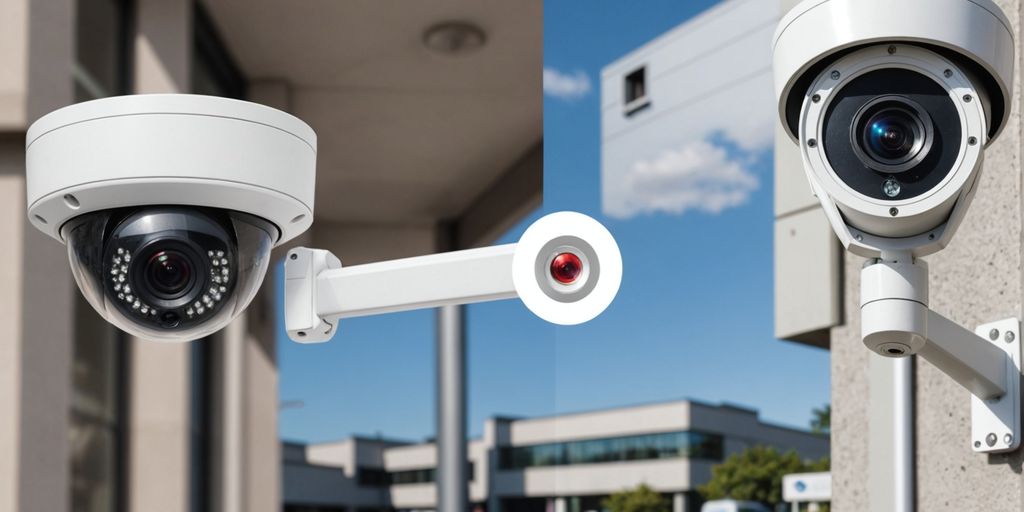
How Analogue Cameras Work
Analogue CCTV cameras capture video images using a sensor. The resolution of this sensor is typically limited to 720×575 pixels. The video is captured in 60 intervals called "fields," and two fields make up a "frame." This method is known as interlaced transmission. The video signal is then transmitted to the receiver via a single coaxial cable, adhering to broadcast television standards like NTSC or PAL.
Limitations of Analogue Systems
Analogue systems have several limitations. The fixed number of horizontal lines in NTSC or PAL standards caps the vertical resolution. Additionally, the coaxial cable can pick up noise, which can degrade the video quality. Noise can cause compression artefacts in recordings, making it difficult to capture fine details like licence plates or faces. Moreover, analogue TV standards introduce their own imperfections, such as decoding errors that result in false colours.
Common Uses for Analogue CCTV
Despite their limitations, analogue CCTV systems are still widely used. They are often found in older installations and are popular for basic security needs. Common applications include:
- Small retail stores
- Residential properties
- Warehouses
These systems are generally more affordable and easier to install, making them a viable option for many users.
Exploring IP CCTV Technology
How IP Cameras Work
IP cameras, also known as network cameras, capture video footage and transmit it over an IP network. Unlike analogue cameras, which send video signals to a digital video recorder (DVR), IP cameras encode and process video data internally. This data is then sent to a network video recorder (NVR) or directly to a cloud storage service. This allows for remote access and management of the footage from any location with internet connectivity.
Advantages of IP Systems
IP CCTV systems offer several benefits over their analogue counterparts:
- Higher Resolution: IP cameras can capture video in resolutions far exceeding those of analogue cameras, providing clearer and more detailed images.
- Scalability: Adding more cameras to an IP system is straightforward and does not require extensive cabling work.
- Remote Access: Users can view live or recorded footage from anywhere, enhancing flexibility and convenience.
- Advanced Features: Many IP cameras come with built-in analytics, such as motion detection and tampering alerts, which can enhance security measures.
Common Uses for IP CCTV
IP CCTV systems are versatile and can be used in various settings, including:
- Commercial Properties: Businesses use IP cameras to monitor their premises, ensuring the safety of assets and personnel.
- Residential Areas: Homeowners install IP cameras for enhanced security and peace of mind.
- Public Spaces: Municipalities deploy IP CCTV to monitor public areas, aiding in crime prevention and public safety.
With IP cameras, local processing of the video image may be done during capture and analysis, like motion detection and tampering detection logic, which may raise alerts by communicating with a central server.
For any questions or further information, we invite you to reach out with any questions. Our dedicated team is here to provide excellent customer service.
Comparing Analogue and IP CCTV Systems
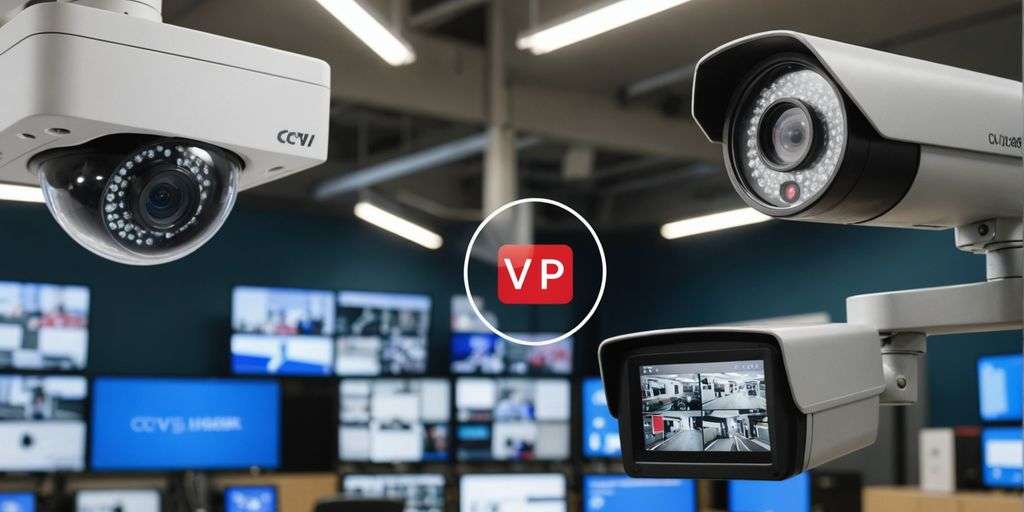
When deciding between analogue and IP CCTV systems, it’s essential to understand the differences in cost, installation, maintenance, and image quality. Each system has its own set of advantages and drawbacks, which can influence your choice based on your specific needs.
Cost Considerations
Analogue systems are generally less expensive upfront. The cameras and recording equipment tend to be cheaper, making them a cost-effective option for smaller budgets. However, IP systems can offer better long-term value. While the initial investment is higher, the advanced features and scalability can make it a worthwhile investment over time.
Installation and Maintenance
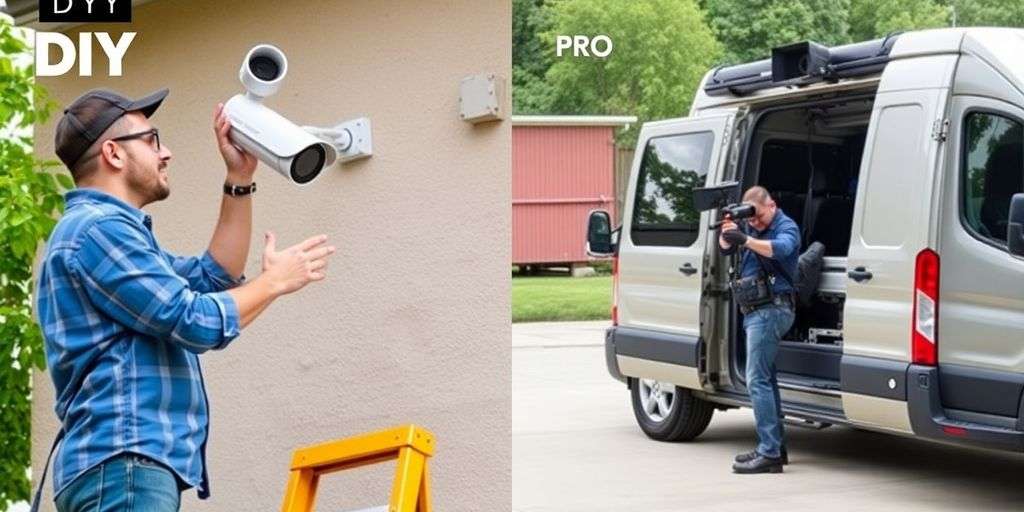
Installing analogue systems is usually straightforward. They use coaxial cables, which are easy to set up but can be prone to interference. On the other hand, IP systems use network cables, which can be more complex to install but offer greater flexibility. Maintenance for IP systems can also be simpler, as they often allow for remote troubleshooting and updates.
Image Quality and Resolution
One of the most significant differences between the two systems is image quality. Analogue cameras typically offer lower resolution, which can be a drawback if you need detailed images for identification purposes. In contrast, IP cameras provide high-resolution images, making them ideal for applications where clarity is crucial. This can be particularly important for tasks like recognising faces or reading licence plates.
When choosing between analogue and IP CCTV systems, consider your specific needs and future requirements. The right choice will depend on various factors, including budget, installation complexity, and the level of detail you need in your surveillance footage.
Making the Right Choice for Your Needs
Choosing between analogue and IP CCTV systems can be challenging. This section will guide you through the decision-making process to ensure you select the best system for your security needs.
Conclusion
In the end, choosing between analogue and IP CCTV systems boils down to your specific needs and circumstances. Analogue systems, while older, can still be effective for basic surveillance tasks and are often more budget-friendly. On the other hand, IP systems offer superior image quality, advanced features, and greater flexibility, making them ideal for more demanding security requirements. As technology continues to evolve, IP cameras are likely to become even more prevalent. However, understanding both technologies will help you make an informed decision that best suits your security needs. Remember, the best system is the one that fits your unique situation.
Frequently Asked Questions
What is the main difference between analogue and IP CCTV cameras?
The main difference is how they send video. Analogue cameras use coaxial cables to send video as analogue signals. IP cameras send video as digital data over a network, which allows for higher resolution and remote access.
Are IP cameras more expensive than analogue cameras?
Yes, IP cameras are usually more expensive upfront. However, they can save money in the long run due to better image quality, easier installation, and less need for additional equipment.
Can I use both analogue and IP cameras in the same system?
Yes, you can use both types in a hybrid system. This allows you to upgrade gradually by adding IP cameras to an existing analogue system.