The Basics of Analogue CCTV Systems
Understanding Analogue Signal Transmission
Analogue CCTV cameras capture video using a sensor. The resolution of this sensor is typically limited to 720×575 pixels. The video is transmitted in 60 intervals called "fields," and two fields make up a "frame." This method is known as interlaced transmission. The video signal is sent through a single coaxial cable, adhering to broadcast television standards like NTSC or PAL. These standards fix the number of horizontal lines, limiting the vertical resolution.
Common Issues with Analogue Cameras
Analogue systems are prone to noise interference, even with shielded coaxial cables. This noise can degrade video quality and introduce compression artefacts during recording. Additionally, analogue TV standards can cause decoding errors, leading to issues like false colours in black-and-white images. These limitations make analogue systems less ideal for applications requiring high detail, such as facial recognition or licence plate identification.
Advantages of Analogue CCTV
Despite their limitations, analogue CCTV systems offer some benefits. They are generally easier to set up and require less technical knowledge compared to IP systems. Analogue systems are also more cost-effective for small-scale installations. Furthermore, they are compatible with older television and recording equipment, making them a viable option for certain scenarios. Their simplicity and lower cost make them a popular choice for basic security needs.
Exploring IP Camera Technology
How IP Cameras Work
IP cameras function similarly to analogue cameras in that they both have image sensors. However, once an IP camera captures an image, it transmits it as data over a network connection. This data is in the form of compressed video frames sent over standard networking protocols. Essentially, an IP camera is like a small computer that you connect to for accessing video. IP stands for Internet Protocol, which is the language used to transmit data between computers.
Benefits of IP Cameras
IP cameras offer several advantages over their analogue counterparts:
- Higher Resolution: IP cameras are not limited by broadcast standards, allowing for much higher resolutions.
- Remote Access: You can access the video feed from any location with an internet connection.
- Advanced Features: Many IP cameras come with features like motion detection and tampering alerts.
- Scalability: Adding more cameras to an IP system is generally easier and more flexible.
Challenges in Implementing IP Systems
While IP cameras offer many benefits, there are also challenges to consider:
- Network Dependency: The performance of IP cameras is heavily reliant on the network’s quality and bandwidth.
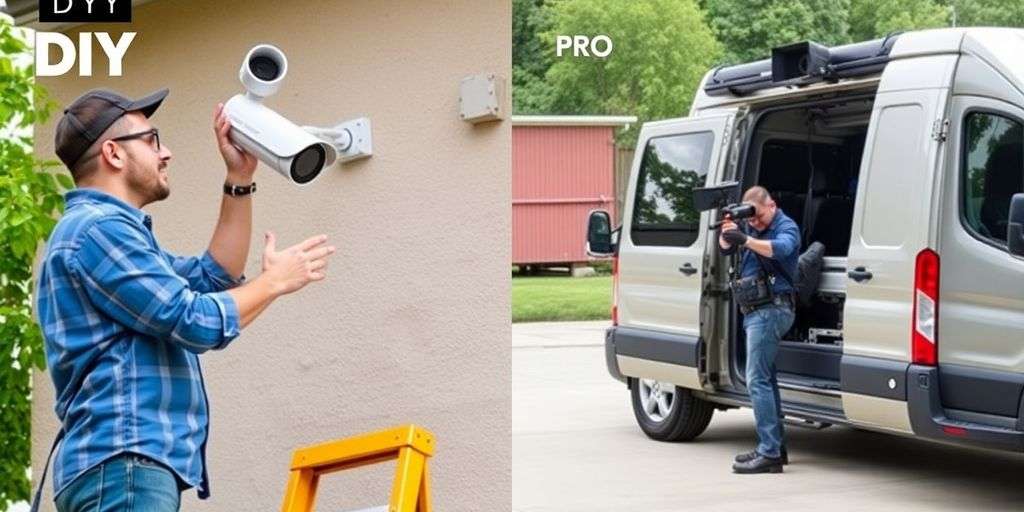
- Complex Setup: Setting up an IP camera system can be more complex and may require professional installation.
- Cost: Initial costs can be higher due to the need for network infrastructure and higher-quality cameras.
Implementing an IP camera system can significantly enhance security, but it requires careful planning and consideration of both benefits and challenges.
Comparing Image Quality and Resolution
Resolution Differences Between Analogue and IP
Analogue cameras typically offer lower resolution compared to IP cameras. For instance, a standard analogue camera might provide a resolution of 704×480 pixels, while an IP camera can easily offer 1920×1080 pixels or higher. Higher resolution in IP cameras allows for better zooming capabilities without losing image clarity. This means you can identify details like licence plates or faces more easily with IP cameras.
Impact of Compression on Image Quality
Compression is essential for managing storage and bandwidth in CCTV systems. However, it can affect image quality. Common codecs include MJPEG, MPEG-4, and H.264. While MJPEG offers high-quality images, it requires more storage. MPEG-4 and H.264 provide better compression but may introduce artefacts. Choosing the right codec depends on your specific needs for quality and storage.
Real-World Applications and Scenarios
In real-world scenarios, the choice between analogue and IP cameras often depends on the specific requirements of the surveillance area. For example:
- Retail Stores: IP cameras are preferred for their high resolution, which helps in identifying shoplifters.
- Parking Lots: The ability to zoom in on licence plates makes IP cameras more suitable.
- Small Offices: Analogue cameras might suffice due to their lower cost and simpler setup.
When selecting a CCTV system, consider both the resolution and the environment to ensure optimal performance.
Cost and Installation Considerations

Initial Setup Costs
When setting up a CCTV system, the initial costs can vary significantly between analogue and IP systems. Analogue systems generally have lower upfront costs due to cheaper cameras and simpler infrastructure. However, IP systems, while more expensive initially, offer advanced features and better scalability. Choosing the right system depends on your specific needs and budget.
Maintenance and Upgrades
Maintenance for analogue systems is often straightforward but can become costly over time due to the need for regular hardware replacements. IP systems, on the other hand, benefit from remote updates and diagnostics, reducing the need for physical interventions. Upgrading an IP system is also easier, as new cameras and software can be integrated without overhauling the entire setup.
Scalability and Future-Proofing
Analogue systems can be limited in terms of scalability. Adding more cameras often requires significant changes to the existing infrastructure. IP systems are inherently more scalable, allowing for easy addition of new cameras and features. This makes IP systems a more future-proof option, as they can adapt to growing security needs without major disruptions.
Investing in a CCTV system is not just about the initial cost but also about long-term benefits and adaptability. IP systems, despite their higher initial cost, offer greater flexibility and future readiness.
Conclusion
In conclusion, both analogue and IP CCTV systems have their own strengths and weaknesses. Analogue cameras are simpler and often more affordable, making them suitable for smaller, straightforward setups. However, they fall short in terms of image quality and flexibility. On the other hand, IP cameras offer superior image resolution, scalability, and advanced features like remote access and intelligent analytics. While they may require a higher initial investment and more technical know-how, the benefits they bring can be well worth it. Ultimately, the choice between analogue and IP systems depends on your specific needs and budget. By understanding the differences, you can make an informed decision that best suits your security requirements.
Frequently Asked Questions
What is the main difference between analogue and IP CCTV systems?
Analogue CCTV systems use coaxial cables to transmit video signals to a recording device, while IP CCTV systems send video data over a network, allowing for higher resolution and more advanced features.
Are IP cameras more expensive than analogue cameras?
IP cameras can be more expensive initially, but they offer better image quality, scalability, and advanced features which can save money in the long run.
Can I upgrade my existing analogue CCTV system to an IP system?
Yes, you can upgrade your analogue system to an IP system. There are devices like video encoders that convert analogue signals to digital, making it possible to integrate older cameras into a new IP-based setup.