The Basics of Analogue CCTV Systems
How Analogue CCTV Cameras Work
Analogue CCTV cameras capture video images using a sensor. The resolution of this sensor is typically limited to 720×575 pixels. The video is captured in 60 intervals called fields, and two fields make up a frame. This method is known as interlaced transmission. The video signal is then transmitted to a recording and display device via a single coaxial cable. The signal complies with broadcast television standards, such as NTSC or PAL, to ensure compatibility with analogue televisions.
Common Issues with Analogue Systems
Analogue systems can suffer from several issues. Despite being shielded, coaxial cables can pick up noise, which can degrade the video quality. This noise can also make video compression less effective, leading to more compression artefacts. Additionally, analogue TV standards have imperfections that can introduce decoding errors, such as false colours in black and white images. These limitations make analogue systems less ideal for applications where detail recognition is crucial.
Advantages of Analogue CCTV
Analogue CCTV systems have several advantages. They are generally more affordable and easier to install than their IP counterparts. They also offer real-time video transmission without latency. For many users, the simplicity and reliability of analogue systems make them a preferred choice. Furthermore, they are compatible with existing analogue televisions and recording devices, making them a practical option for many users.
Exploring IP CCTV Technology
How IP Cameras Operate
IP cameras, also known as network cameras, capture video footage and transmit it over an IP network. Unlike analogue cameras, which send video signals to a DVR, IP cameras encode the video data and send it directly to a network video recorder (NVR) or other storage devices. This allows for real-time monitoring and remote access. The video is often compressed using formats like H.264 or H.265 to save bandwidth and storage space.
Benefits of IP CCTV Systems
IP CCTV systems offer several advantages over their analogue counterparts:
- Higher Resolution: IP cameras can capture video in high definition (HD) and even ultra-high definition (UHD), providing clearer and more detailed images.
- Scalability: Adding more cameras to an IP system is straightforward, making it ideal for growing businesses.
- Remote Access: Users can view live or recorded footage from anywhere with an internet connection.
- Advanced Features: Many IP cameras come with built-in analytics, such as motion detection and facial recognition.
With IP-based systems, video feeds are encoded into digital formats and stored on computer discs. This ensures that the video quality does not degrade over time, unlike analogue recordings on magnetic tape.
Challenges in Implementing IP Technology
While IP CCTV systems offer many benefits, they also come with challenges:
- Initial Cost: The upfront cost of IP cameras and NVRs can be higher than analogue systems.
- Network Requirements: A robust network infrastructure is essential to handle the data load from multiple IP cameras.
- Technical Expertise: Setting up and maintaining an IP CCTV system requires knowledge of networking and IT.
Despite these challenges, the long-term benefits of IP CCTV systems often outweigh the initial hurdles, making them a popular choice for modern surveillance needs.
Key Differences Between Analogue and IP CCTV
Resolution and Image Quality
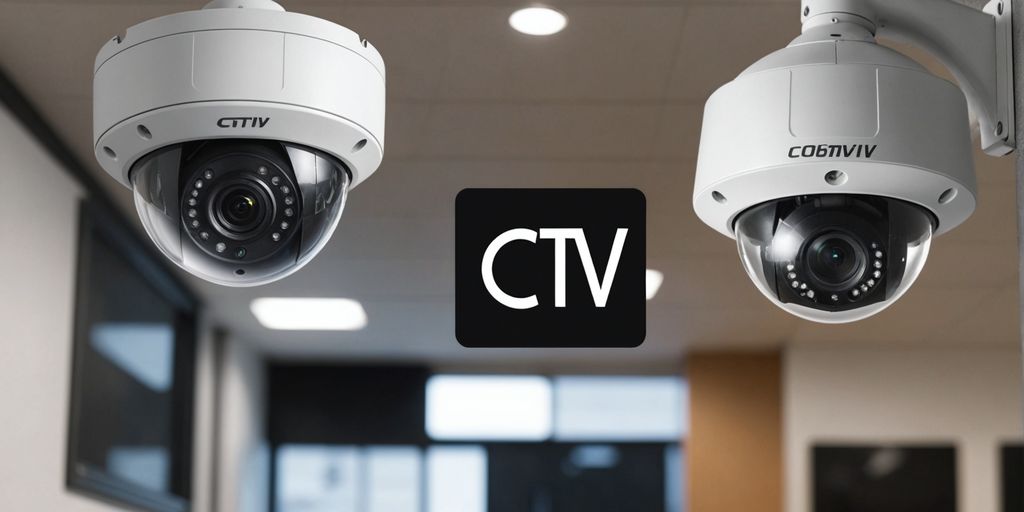
Analogue CCTV systems typically offer lower resolution compared to IP systems. Analogue cameras are often limited to standard definition, while IP cameras can provide high-definition (HD) and even ultra-high-definition (UHD) images. Higher resolution in IP cameras means clearer and more detailed images, which is crucial for identifying faces or licence plates.
Installation and Maintenance
Installing analogue systems is generally simpler and less expensive initially. They use coaxial cables, which are straightforward to set up. However, IP systems use Ethernet cables, which can also carry power (Power over Ethernet or PoE), reducing the need for separate power supplies. Maintenance for IP systems can be more complex due to their reliance on network infrastructure.
Scalability and Flexibility
Analogue systems are less flexible when it comes to scaling. Adding more cameras often requires additional cabling and hardware. In contrast, IP systems are highly scalable and flexible. New cameras can be added to the network with minimal effort, and the system can be easily expanded or reconfigured. Flexibility in IP systems allows for remote access and management, making them suitable for larger or more dynamic environments.
When choosing between analogue and IP CCTV systems, consider the specific needs of your security setup. Analogue systems may be sufficient for smaller, less complex installations, while IP systems offer advanced features and scalability for more demanding applications.
Making the Right Choice for Your Needs
Assessing Your Security Requirements
Before deciding between analogue and IP CCTV systems, it’s crucial to evaluate your specific security needs. Consider the following questions:
- What areas do you need to monitor?
- Do you require high-resolution images for identification purposes?
- Is remote access to the footage important for you?
Understanding your requirements will help you choose a system that best fits your needs.
Cost Considerations
Cost is a significant factor when choosing a CCTV system. Analogue systems are generally cheaper upfront but may incur higher maintenance costs over time. On the other hand, IP systems might have a higher initial cost but offer more features and lower long-term expenses. Weighing the initial investment against long-term benefits is essential.
| Feature | Analogue Systems | IP Systems |
|---|---|---|
| Initial Cost | Lower | Higher |
| Maintenance Cost | Higher | Lower |
| Image Quality | Lower | Higher |
| Remote Access | Limited | Extensive |
Future-Proofing Your CCTV System
When investing in a CCTV system, it’s wise to think about future needs. IP systems are more scalable and flexible, making them easier to upgrade as technology advances. Analogue systems, while reliable, may not offer the same level of adaptability. Planning for future expansion can save you time and money in the long run.
Choosing the right CCTV system involves balancing your current needs with future possibilities. A well-thought-out decision will provide peace of mind and robust security for years to come.
Conclusion
In the end, choosing between analogue and IP CCTV systems depends on your specific needs. Analogue cameras are simple and reliable, making them a good choice for basic surveillance. On the other hand, IP cameras offer advanced features like higher resolution and remote access, which can be very useful for more complex security needs. As technology continues to evolve, IP systems are becoming more popular due to their flexibility and scalability. Whether you go for the tried-and-true analogue or the cutting-edge IP, the most important thing is to ensure your security system meets your requirements and keeps you safe.
Frequently Asked Questions
What is the main difference between analogue and IP CCTV cameras?
Analogue CCTV cameras send video signals as a continuous stream to a recording device through coaxial cables, while IP cameras convert video into data and transmit it over a network.
Why might someone choose an analogue CCTV system over an IP system?
Analogue systems are often cheaper and simpler to set up, making them a good choice for smaller installations or those with limited budgets.
What are the benefits of using IP CCTV cameras?
IP cameras offer higher resolution and better image quality, can be accessed remotely, and provide more flexibility for scaling and integration with other systems.