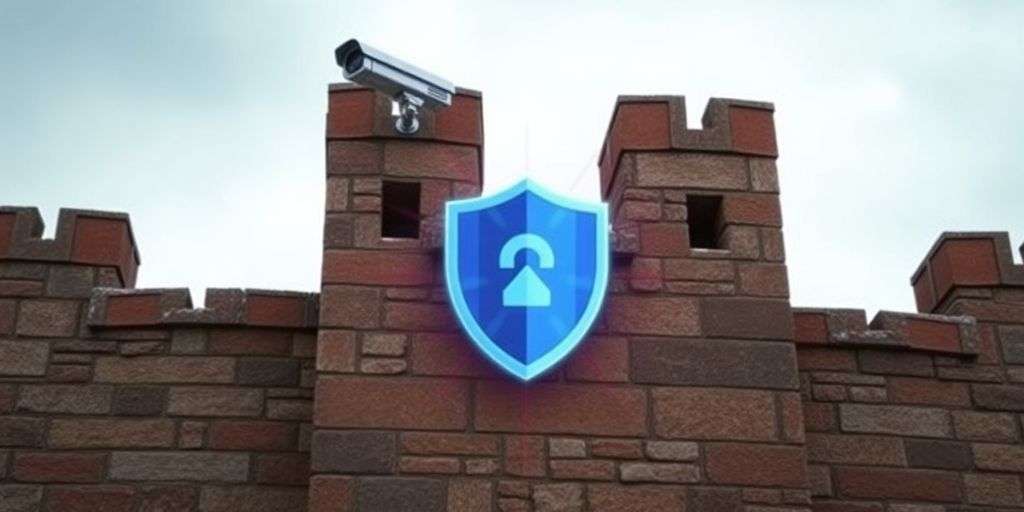
Fortifying Your Digital Fortress
Keeping Your Cameras Updated
The first step in securing your CCTV system is to keep your cameras and their software up-to-date. Manufacturers frequently release updates to fix vulnerabilities. Regular updates are essential to prevent hackers from exploiting these weaknesses.
Embracing Strong Passwords
Using strong, unique passwords for your camera system is crucial. Avoid common or easily guessable passwords. Consider using a password manager to generate and store complex passwords. Change your passwords regularly to maintain security.
Enabling Two-Factor Authentication
Two-factor authentication (2FA) adds an extra layer of security. It requires a second form of verification, such as a code sent to your phone, in addition to your password. This makes it much harder for hackers to gain access to your system.
Securing Your Network
Your network’s security is just as important as the security of your cameras. Ensure your Wi-Fi network is secure by using strong passwords and encryption. Consider setting up a separate network for your security system to limit potential access points for hackers. Employing encryption tools, like VPNs, when accessing your camera system remotely can also shield your data from prying eyes.
Detecting Unwanted Guests
Recognising Signs of Hacking
Awareness is crucial in maintaining the security of your CCTV system. Signs of a hacked camera can include strange noises or voices coming from the device, unexplained rotation or movement, or sudden changes in camera settings. Keep an eye out for unusual spikes in network traffic, which could indicate that your camera is being used to stream video without your consent. Monitoring these signs can help you catch and address security breaches swiftly.
Monitoring Network Traffic
Regularly monitoring your network traffic is essential for identifying any suspicious activity. Use network monitoring tools to track data flow and detect any anomalies. Look for unexpected data transfers or unusual patterns that could signal a breach. By staying vigilant, you can act quickly to mitigate any potential threats.
Responding to Security Breaches
If you suspect a security breach, it’s important to act immediately. Disconnect the affected camera from the network and change all related passwords. Conduct a thorough investigation to determine the extent of the breach and take steps to prevent future incidents. Consider consulting with cybersecurity experts to enhance your system’s defences and ensure your digital fortress remains secure.
Advanced Protective Steps
Going beyond basic measures can further enhance your security system’s resilience. Consider the benefits of using wired connections over wireless ones, where feasible. Wired connections are generally harder for hackers to intercept. Regularly reviewing your camera’s logs for any unauthorised access attempts is also a wise practise. Investing in professional security solutions that offer advanced encryption and security features can provide an added layer of protection. These solutions often come with expert support to help troubleshoot complex security issues.
Integrating Cybersecurity Systems
Integrating advanced cybersecurity systems into your CCTV setup can significantly bolster your defences. These systems often include features like intrusion detection, malware protection, and automated threat response. By combining these tools, you create a multi-layered security approach that is much harder for hackers to penetrate.
Employing Encryption Tools
Encryption tools are essential for protecting the data transmitted by your CCTV cameras. By encrypting the video feeds, you ensure that even if hackers intercept the data, they cannot view it without the decryption key. Encryption adds a robust layer of security, making it much more difficult for unauthorised individuals to access your footage.
Real-Time Monitoring and Alerts
Real-time monitoring and alert systems can help you stay ahead of potential threats. These systems provide instant notifications if suspicious activity is detected, allowing you to respond quickly. Setting up real-time alerts ensures that you are always aware of what is happening with your security system, giving you peace of mind.
Conducting Regular Penetration Testing
Regular penetration testing is a proactive way to identify and fix vulnerabilities in your security system. By simulating attacks, you can discover weak points before hackers do. This practise helps you stay one step ahead of potential threats and ensures that your security measures are always up to date.
Regularly updating your security protocols and tools is crucial in maintaining a robust defence against cyber threats. Stay vigilant and proactive to keep your digital fortress secure.
Strengthening Network Security
Using Strong Passwords and Multifactor Authentication
Passwords are the keys to your network. Weak or common passwords can be easily guessed by hackers. Implementing strong passwords is a fundamental step in securing your network. Here are some best practises:
- Use a mix of uppercase and lowercase letters, numbers, and special characters.
- Avoid common words or personal information.
- Create unique passwords for each account or device.
- Change your passwords regularly and avoid reusing them.
To manage multiple complex passwords, consider using a password manager. It securely stores your passwords and helps generate strong, unique passwords for each account. Additionally, enable multifactor authentication (MFA) whenever possible. This adds an extra layer of security by requiring additional verification, such as a fingerprint or a unique code sent to your mobile device.
Centralised User Management
Centralised user management allows you to control access to your network from a single point. This ensures that only authorised users can access your systems. By managing user permissions centrally, you can quickly revoke access if needed and monitor user activities more effectively.
Regular Firmware and Software Updates
Software vulnerabilities are often exploited by hackers to gain unauthorised access to networks. Developers continuously release security patches and updates to address these vulnerabilities. Staying updated with the latest security patches is essential to protect your network. Enable automatic updates on your operating system, applications, and security software to ensure you receive the latest patches promptly. Regularly check for updates manually if automatic updates are not available.
Implementing Hardware Firewalls
Firewalls act as the first line of defence against cyber threats by monitoring and filtering incoming and outgoing network traffic. A hardware firewall is a dedicated device that sits between your network and the internet. It offers a higher level of protection as it operates independently of individual devices and provides centralised control. Consider activating intrusion detection and prevention systems (IDPS) to automatically identify and mitigate attacks.
It’s worth noting that some older devices or unsupported software may not receive security updates. In such cases, it’s crucial to assess the risks and consider upgrading or replacing the outdated equipment to maintain network security.
Conclusion
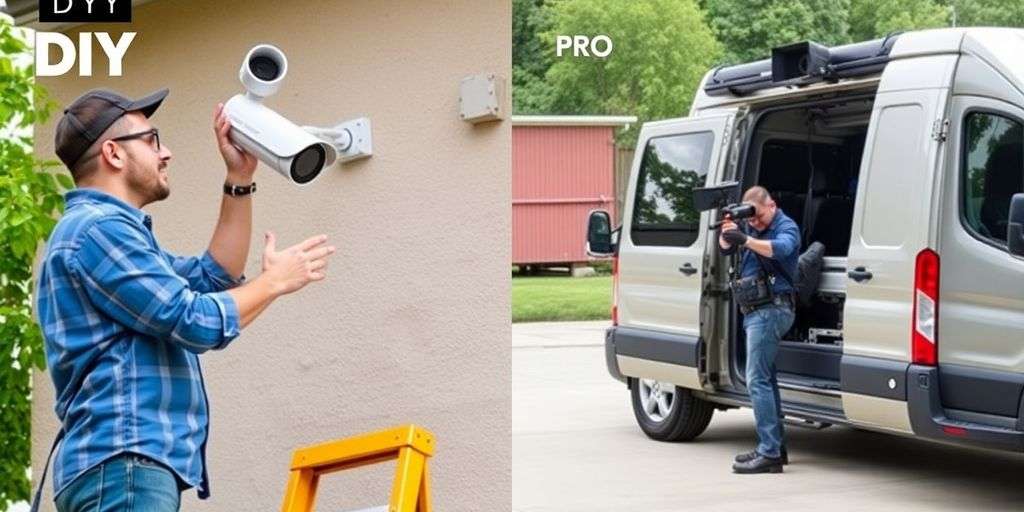
In today’s digital age, securing your CCTV system from hackers is more important than ever. By following the steps outlined in this article, you can build a robust defence that keeps your surveillance system safe. Remember to keep your software updated, use strong passwords, and enable two-factor authentication. Regularly monitor your network for unusual activity and consider professional help for installation and maintenance. With these measures in place, you can ensure that your CCTV system remains a reliable guardian of your safety and privacy. Stay vigilant and proactive, and your digital fortress will stand strong against any cyber threats.
Frequently Asked Questions
How can I keep my CCTV cameras safe from hackers?
To keep your CCTV cameras safe, always update their firmware, use strong and unique passwords, and monitor your network for any unusual activity. Enabling two-factor authentication adds an extra layer of security.
Can wired security cameras be hacked?
Yes, wired security cameras can be hacked, but it’s less common. To reduce the risk, ensure your system is regularly updated, use strong passwords, and limit physical access to your camera systems.
What are the signs that my CCTV system has been hacked?
Signs of a hacked CCTV system include strange noises or voices from the camera, unexplained movements, sudden changes in settings, and unusual spikes in network traffic.