Assessing Your Security Needs
Identifying Vulnerable Areas
To start, pinpoint the areas that need surveillance. This could be entry points, dark corners, or places with valuable items. Knowing these spots helps you decide where to place cameras. Make a list of these vulnerable areas to ensure comprehensive coverage.
Considering Environmental Conditions
Next, think about the environment where the cameras will be installed. Will they be indoors or outdoors? Outdoor cameras need to withstand weather conditions like rain, snow, and extreme temperatures. Also, consider if the area is prone to dust or glare, which can affect camera performance.
Budgeting for Your CCTV System
Finally, set a budget for your CCTV system. Determine how much you are willing to spend on cameras, installation, and maintenance. Remember, a higher budget often means better quality and more features. Make sure to balance cost with your security needs to get the best value.
Understanding Surveillance Technologies
Traditional CCTV Cameras
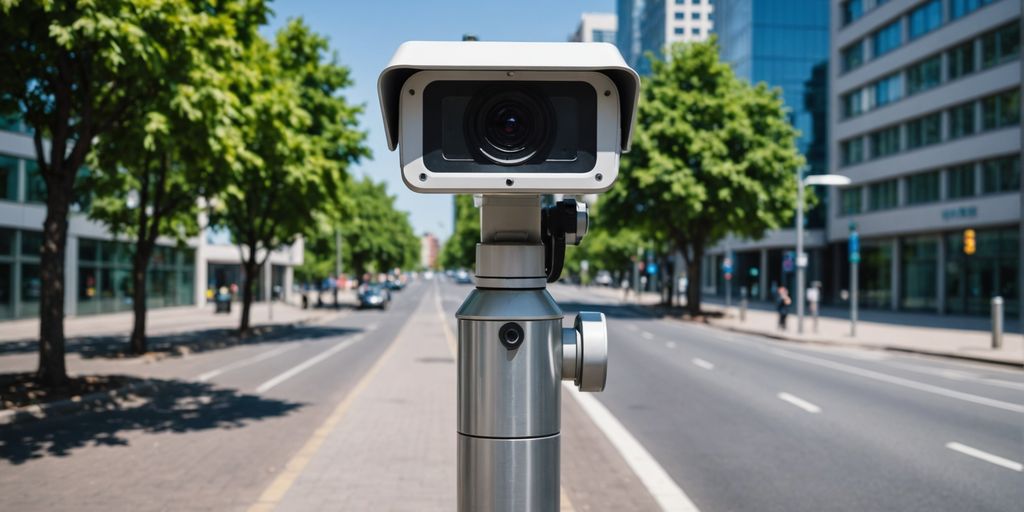
Traditional CCTV cameras have been a staple in security systems for decades. They use analogue signals to transmit video to a central recording device. These cameras are reliable and often more affordable, making them a popular choice for many. However, they may lack some of the advanced features found in newer technologies.
IP-Based Surveillance Systems
IP-based surveillance systems use digital signals to send video over a network. This allows for higher resolution images and more advanced features like remote monitoring and easy scalability. IP cameras can be integrated with other security systems, providing a more comprehensive security solution.
Hybrid Surveillance Solutions
Hybrid surveillance solutions combine the best of both traditional CCTV and IP-based systems. They allow for the integration of existing analogue cameras with new IP cameras, offering a flexible and cost-effective way to upgrade your security system. This approach ensures that you can take advantage of new technologies without completely overhauling your existing setup.
Choosing the right surveillance technology is crucial for meeting your security needs. Whether you opt for traditional CCTV, IP-based systems, or a hybrid solution, understanding the strengths and limitations of each will help you make an informed decision.
Choosing the Right Camera Types and Features
Camera Resolution and Field of View
When selecting a CCTV camera, resolution is a key factor. Higher resolution cameras provide clearer images, making it easier to identify faces or licence plates. Aim for at least 1080p resolution for adequate clarity. The field of view determines how wide an area the camera can cover. A wider field of view means fewer cameras are needed to monitor the same space.
Low-Light Performance
Low-light performance is crucial, especially for outdoor cameras. Cameras with good night vision capabilities can capture clear footage even in low light conditions. Look for cameras with infrared LEDs or other night vision technologies to ensure your property is monitored around the clock.
Weather Resistance and Durability
For outdoor cameras, weather resistance is essential. Choose models that can withstand elements like rain, wind, and dust. Durable cameras ensure long-term reliability and reduce the need for frequent replacements. Look for cameras with an IP rating that indicates their level of protection against environmental factors.
Selecting the right CCTV camera involves balancing your specific security needs with the features that best suit your environment. By understanding the different options available, you can make an informed choice that ensures your property is well-protected.
Exploring Recording and Storage Options
Local Storage Solutions
Local storage solutions involve storing video footage directly on-site. This can be done using Digital Video Recorders (DVRs) or Network Video Recorders (NVRs). DVRs typically work with analogue cameras and store footage on a hard drive connected via coaxial cables. NVRs, on the other hand, are designed for IP cameras and often use Ethernet cables for connectivity. Both systems allow you to access and review footage locally, ensuring that your data remains within your control.
Cloud-Based Storage
Cloud-based storage offers a flexible and scalable option for recording and storing video footage. Cameras send their recordings to a cloud server via the internet, allowing you to access the footage from anywhere with an internet connection. This method eliminates the need for physical storage devices on-site. However, it is important to note that cloud storage relies heavily on internet connectivity, and any disruptions can affect the recording process.
Data Retention and Management
Effective data retention and management are crucial for maintaining a reliable CCTV system. It is essential to choose a storage solution that can handle continuous recording and provide easy access to archived footage. Consider the retention period for your recordings and ensure that your storage solution can accommodate this. Additionally, implementing a robust data management system will help you organise and retrieve footage efficiently.
When selecting a storage option, balance the need for accessibility with the importance of data security. Local storage offers control, while cloud storage provides flexibility.
Conclusion
Choosing the right CCTV system doesn’t have to be overwhelming. By understanding your security needs, exploring different technologies, and considering key features like camera types, storage options, and remote accessibility, you can find a solution that fits perfectly. Remember, a good CCTV system not only protects your property but also provides peace of mind. So, take your time, do your research, and invest in a system that will keep you and your loved ones safe.
Frequently Asked Questions
What are the main differences between traditional CCTV cameras and IP-based systems?
Traditional CCTV cameras use analogue signals to transmit video to a recording device, while IP-based systems send digital signals over a network. IP cameras generally offer higher resolution, remote access, and easier scalability compared to traditional CCTV cameras.
How do I choose the right camera resolution for my needs?
The right camera resolution depends on what you need to monitor. Higher resolutions provide more detail, which is useful for identifying faces or licence plates. For general surveillance, a lower resolution might be sufficient and more cost-effective.
What are the benefits of cloud-based storage for CCTV footage?
Cloud-based storage allows you to access your CCTV footage from anywhere with an internet connection. It also offers scalability, so you can easily increase storage capacity as needed. Additionally, it provides an extra layer of security by keeping your footage off-site.