Evaluating Lighting Conditions for Optimal CCTV Performance
Identifying Low-Light Areas
Proper lighting is crucial for capturing clear and usable footage. Evaluate the lighting conditions in the areas where you plan to install CCTV cameras. Pay attention to areas with low light or high contrast, such as dimly lit corridors or entrances with bright sunlight. In such cases, you may need to consider cameras with low-light capabilities or install additional lighting fixtures to ensure optimal image quality.
Managing High-Contrast Environments
High-contrast environments can pose a challenge for CCTV cameras. Areas with both very bright and very dark spots can make it difficult to capture clear images. To manage this, you can use cameras with wide dynamic range (WDR) technology, which helps balance the light and dark areas in the footage. This ensures that important details are not lost in the shadows or washed out by bright light.
Choosing the Right Camera for Different Lighting
Different lighting conditions require different types of cameras. For low-light areas, consider cameras with infrared (IR) capabilities or low-light sensitivity. For high-contrast environments, cameras with WDR technology are ideal. By choosing the right camera for each lighting condition, you can ensure that your CCTV system captures clear and detailed footage, regardless of the lighting situation.
Types of Lighting for CCTV Systems
Benefits of Infra-Red Lighting
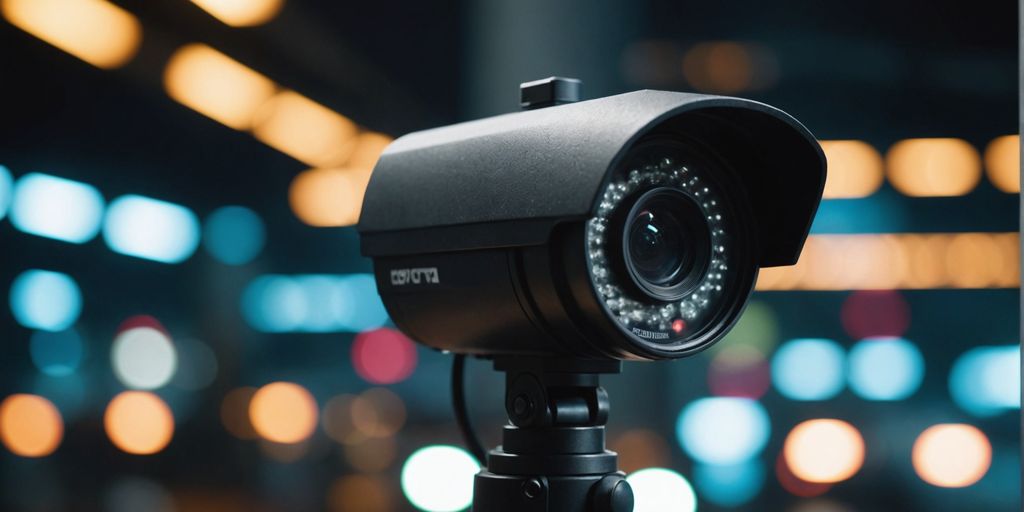
Infra-red lighting is specifically designed for use with CCTV cameras. It offers several advantages, such as providing greater distance visibility and reducing light pollution. This type of lighting is particularly useful in areas where you want to avoid drawing attention to the cameras. Infra-red lighting ensures that your CCTV system can capture clear footage even in complete darkness.
Advantages of White-Light Illumination
White-light illumination is another option for enhancing CCTV footage. This type of lighting not only improves visibility but also acts as a deterrent to potential intruders. The bright light can make it easier to identify individuals and details in the footage. Additionally, white-light illumination can be beneficial in areas where you need to illuminate a large space, such as a car park or a building entrance.
Choosing Between Infra-Red and White-Light
When deciding between infra-red and white-light illumination, consider the specific needs of your CCTV system. Infra-red lighting is ideal for discreet surveillance and low-light conditions, while white-light illumination is better suited for areas that require both visibility and a deterrent effect. Evaluating the lighting conditions in your surveillance area will help you make the best choice for optimal CCTV performance.
Enhancing CCTV Footage with Proper Lighting
Installing Additional Lighting Fixtures
To improve the quality of your CCTV footage, consider adding extra lighting fixtures. Proper lighting is crucial for capturing clear images, especially in areas with low light. Installing lights in dimly lit corridors or entrances can make a significant difference. This step ensures that your cameras can capture every detail, enhancing your overall security.
Adjusting Existing Lighting
Sometimes, simply adjusting the lighting you already have can improve your CCTV footage. For instance, repositioning lights to reduce shadows or glare can help. This is particularly important in high-contrast environments where bright sunlight meets dark areas. By tweaking your current setup, you can achieve better image quality without additional costs.
Utilising Day/Night CCTV Systems
Day/Night CCTV systems are designed to work in various lighting conditions. These cameras automatically switch between colour footage during the day and black-and-white at night. This feature is especially useful for properties that need surveillance around the clock. With these systems, you can ensure that your cameras capture clear footage, regardless of the time of day or lighting conditions.
Conclusion
In conclusion, understanding the lighting conditions for your CCTV system is essential for capturing clear and reliable footage. Whether it’s choosing between infra-red and white-light options or ensuring your cameras can handle both day and night conditions, proper lighting makes a significant difference. By paying attention to these details, you can enhance the effectiveness of your surveillance system, ensuring it meets your security needs. Remember, a well-lit area not only improves camera performance but also acts as a deterrent to potential intruders. So, take the time to assess and optimise your lighting conditions for the best results.
Frequently Asked Questions
Why is proper lighting important for CCTV cameras?
Proper lighting is essential for capturing clear and usable footage. Without adequate lighting, images can be blurry or too dark to see details, making it difficult to identify people or objects.
What are the benefits of using infra-red lighting for CCTV?
Infra-red lighting allows CCTV cameras to see in the dark without producing visible light. This makes it ideal for night-time surveillance and areas where you don’t want to draw attention to the cameras.
How can I improve the lighting for my CCTV system?
You can improve lighting by installing additional light fixtures, adjusting existing lights, or using day/night CCTV systems that work well in both bright and dark conditions.