Understanding Night Vision and Thermal Imaging
How Night Vision Works
Night vision technology allows us to see in low-light conditions by amplifying available light. This light can come from the moon, stars, or artificial sources. Night vision devices capture this light and enhance it, making it possible to see clearly in the dark. Night vision scopes often use infrared illuminators to provide additional light that is invisible to the naked eye but can be detected by the device.
The Science Behind Thermal Imaging
Thermal imaging works by detecting heat emitted by objects and converting it into an image. Every object emits infrared radiation based on its temperature. Thermal cameras capture this radiation and create a visual representation of temperature differences. This technology is particularly useful in complete darkness, as it does not rely on any light source.
Key Differences Between the Technologies
While both night vision and thermal imaging help us see in the dark, they operate differently:
- Night Vision: Requires some ambient light and provides detailed images.
- Thermal Imaging: Detects heat signatures and works in absolute darkness.
Common Uses for Each Technology
Both technologies have their unique applications:
- Night Vision: Ideal for activities like home security, wildlife observation, and navigation in low-light conditions.
- Thermal Imaging: Best for detecting living creatures in complete darkness, search and rescue operations, and identifying heat leaks in buildings.
When choosing between night vision and thermal imaging, consider your specific needs and environment. Each technology offers unique advantages that can enhance your ability to see in the dark.
Factors to Consider When Choosing a Night Vision Camera
Assessing Your Environment
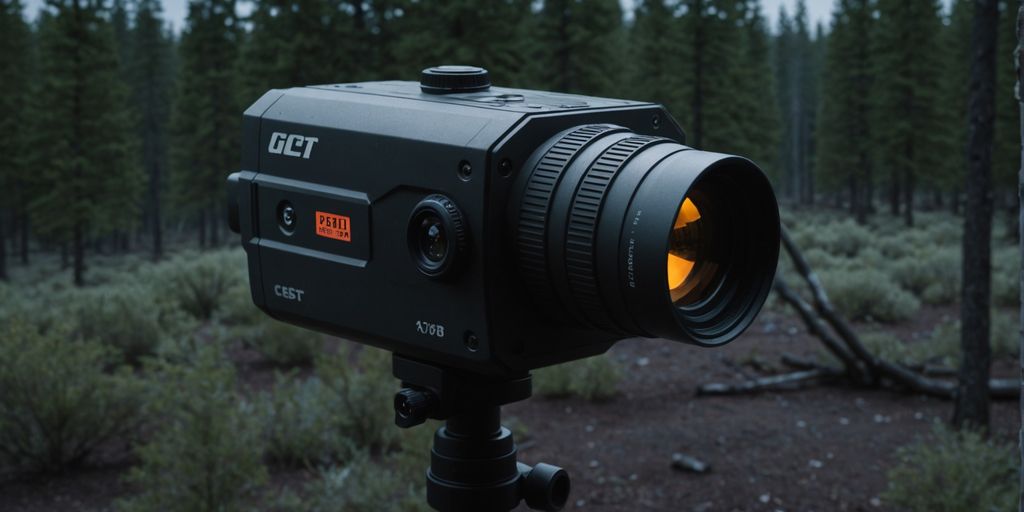
When selecting a night vision camera, it’s crucial to evaluate the environment where it will be used. Different settings require different features. For instance, a camera for a densely wooded area might need better infrared capabilities compared to one used in an open field. Consider factors like ambient light, weather conditions, and potential obstructions.
Budget Considerations
Your budget plays a significant role in your choice. Night vision cameras come in a wide range of prices, from affordable options to high-end models. It’s essential to balance cost with the features you need. Sometimes, spending a bit more upfront can save you money in the long run by avoiding frequent replacements or upgrades.
Ease of Use and Familiarity
The camera’s ease of use is another important factor. If you’re not tech-savvy, look for models that are user-friendly and come with clear instructions. Familiarity with the device can make a big difference in how effectively you use it. Some cameras offer smartphone integration, making them easier to operate and monitor.
Specific Features to Look For
When choosing a night vision camera, pay attention to specific features that match your needs:
- Resolution and Video Quality: Higher resolution provides clearer images.
- Night Vision Range: Ensure the camera can capture clear images at the distances you require.
- Durability: Look for weather-resistant models if you plan to use the camera outdoors.
- Power Source: Consider whether the camera is battery-operated, solar-powered, or requires a direct power source.
- Storage Options: Check if the camera supports local storage, cloud storage, or both.
Choosing the right night vision camera involves balancing your specific needs with the available features and your budget. By carefully considering these factors, you can find a camera that will serve you well both day and night.
Top Night Vision Cameras for Different Needs
Best for Home Security
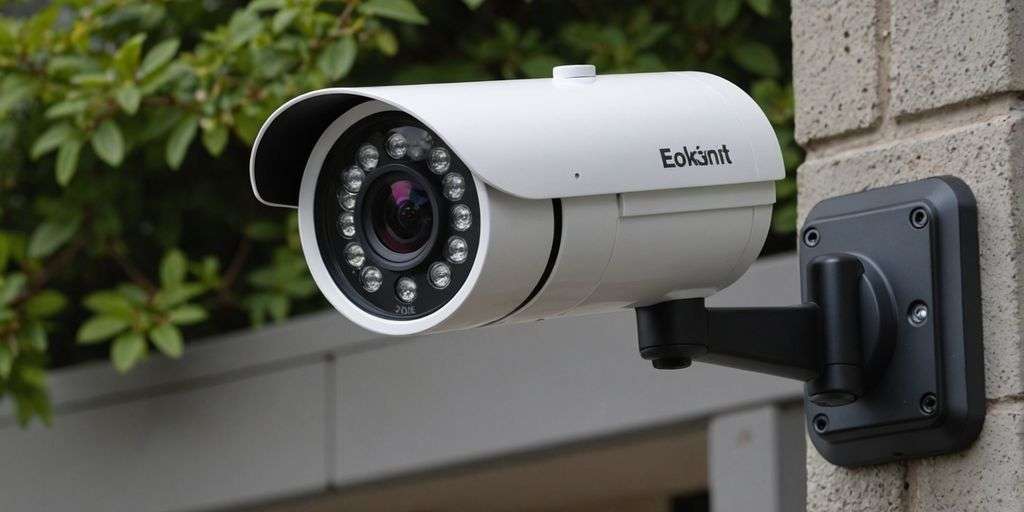
When it comes to home security, having a reliable night vision camera is crucial. The EZVIZ by Hikvision C8C 2MP Outdoor Pan/Tilt Smart WiFi CCTV Camera stands out with its full-colour starlight night vision and AI-powered person detection. It offers 360-degree coverage and is weatherproof, making it ideal for any condition. Key features include:
- Full HD Resolution 2MP 1080p
- AI-Powered person detection
- IP65 dust & water protection
- 360-degree visual coverage
Ideal for Wildlife Observation
For wildlife enthusiasts, a camera that can capture clear images in low light is essential. The Bushnell Equinox Z2 is a top pick. It provides excellent night vision capabilities and can record video in 1080p HD. Additionally, it has a long battery life and is rugged enough to withstand outdoor conditions.
Top Picks for Hunting
Hunters need a camera that offers both durability and clarity. The RIX Toughest Scopes: Tourer T20 is an excellent choice. It features a redesigned OLED screen that provides higher contrast and more vivid colours, enhancing the hunting experience. This scope is particularly useful in low-light conditions, making it a reliable companion for night hunts.
Great Options for Night Photography
Night photography requires a camera that can handle low light without compromising on image quality. The Sony Alpha a7S III is a fantastic option. It excels in low-light conditions and offers 4K video recording. Its advanced sensor and image processing capabilities make it a favourite among photographers who specialise in night scenes.
Conclusion
Choosing the right camera for both day and night use is a personal journey. It’s about finding a balance between your needs, the environment, and your budget. Whether you opt for a thermal scope that excels in complete darkness or a night vision scope that thrives with a bit of ambient light, each has its unique strengths. Remember, the best camera is the one that feels right in your hands and meets your specific requirements. Happy hunting, and may your nights be as clear as your days!
Frequently Asked Questions
What is the difference between night vision and thermal imaging?
Night vision amplifies available light to create a visible image, making it ideal for environments with some light, like moonlight. Thermal imaging detects heat signatures, allowing it to work in complete darkness and through obstacles like smoke or fog.
How do I choose the right night vision camera for my needs?
Consider your environment, budget, ease of use, and specific features like resolution and range. Think about what you’ll be using the camera for, such as home security, wildlife observation, or photography.
Can night vision cameras work during the day?
Yes, many night vision cameras can function during the day. They switch between night and day modes, adjusting to the available light to provide clear images at all times.