Understanding Wired CCTV Systems
Key Features of Wired CCTV Cameras
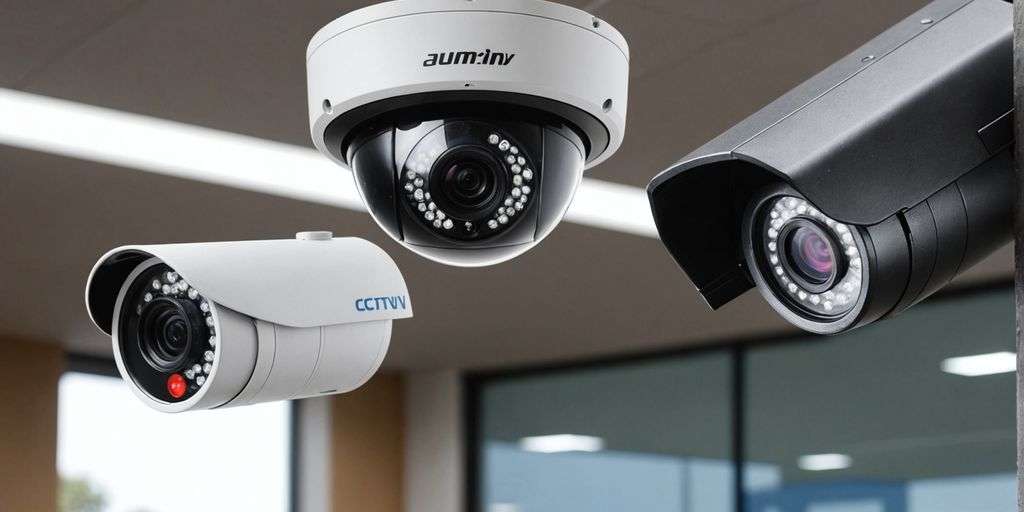
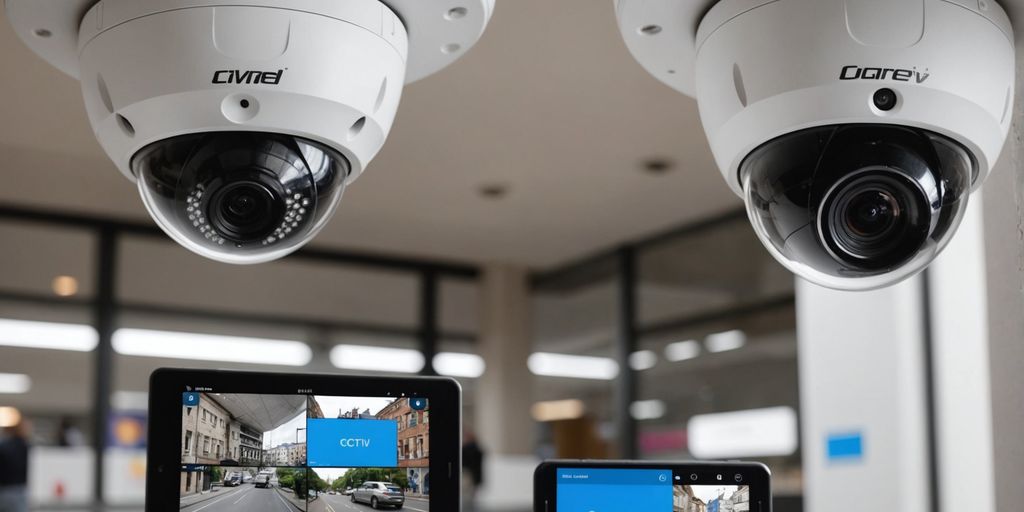
Wired CCTV cameras are a cornerstone in security setups, known for their reliability and robust performance. These cameras use physical cables to transmit video signals and power, ensuring a stable and continuous connection. This setup is less prone to interference and signal loss compared to wireless systems. Key features include:
- High-definition video quality
- Night vision capabilities
- Motion detection
- Minimal signal degradation over long distances
Advantages of Wired CCTV Systems
Wired CCTV systems offer several benefits that make them a preferred choice for many. These advantages include:
- Consistent and high-quality video transmission: The use of physical cables, such as coaxial or Ethernet, ensures minimal risk of interference from other devices.
- Enhanced security: The fixed nature of the installation makes the system more tamper-resistant.
- Suitable for large properties: Wired systems are ideal for extensive surveillance networks due to their stable connection over long distances.
- Integration with other security measures: Wired systems can easily be combined with alarms and access controls for a comprehensive security solution.
Challenges in Installing Wired CCTV
While wired CCTV systems offer numerous benefits, they also come with certain challenges:
- Labour-intensive installation: Setting up wired cameras involves running cables from each camera to a central recording device, which can be time-consuming and costly.
- Limited flexibility: The fixed nature of wired systems means that repositioning cameras can be difficult once they are installed.
- Aesthetic concerns: The presence of cables can be less visually appealing, especially in residential settings.
Despite these challenges, the long-term reliability and performance of wired CCTV systems make them a valuable investment for ensuring safety and security in various environments.
Exploring Wireless CCTV Options
Benefits of Wireless CCTV Cameras
Wireless CCTV cameras offer a range of advantages that make them a popular choice for many. One of the main benefits is the ease of installation. Without the need for extensive cabling, these cameras can be set up quickly and with minimal disruption. This makes them ideal for properties where running cables might be difficult or unsightly.
Another significant advantage is the flexibility in camera placement. Since they are not tethered by wires, wireless cameras can be positioned in a variety of locations, providing comprehensive coverage of your property. Additionally, many wireless systems support remote access, allowing you to monitor your property in real-time from anywhere using a smartphone or computer.
Potential Drawbacks of Wireless Systems
While wireless CCTV cameras have many benefits, they also come with some potential drawbacks. One of the primary concerns is the reliance on a stable Wi-Fi connection. If your internet connection is unstable or has limited bandwidth, it can affect the performance of your cameras, leading to potential gaps in surveillance coverage.
Another issue to consider is the potential for signal interference. Wireless signals can be disrupted by various factors, including other electronic devices, thick walls, and even weather conditions. This can result in reduced video quality or intermittent connectivity.
Ideal Scenarios for Wireless CCTV
Wireless CCTV systems are particularly well-suited for certain scenarios. They are an excellent choice for rental properties, where permanent installations might not be allowed. They are also ideal for historic buildings or locations where running cables would be impractical or damaging to the structure.
In addition, wireless cameras are perfect for temporary setups, such as construction sites or events, where surveillance is needed for a limited period. Their ease of installation and flexibility make them a versatile option for a wide range of security needs.
When considering wireless CCTV options, it’s essential to weigh the benefits against the potential drawbacks to determine if they are the right fit for your specific needs.
Making the Right Choice for Your Needs
Assessing Your Property’s Requirements
When deciding between wired and wireless CCTV systems, it’s essential to evaluate your property’s specific needs. Consider factors such as the size of the area to be monitored, the layout of the property, and the availability of power sources. Understanding these elements will help you choose the most effective system for your security needs.
Budget Considerations
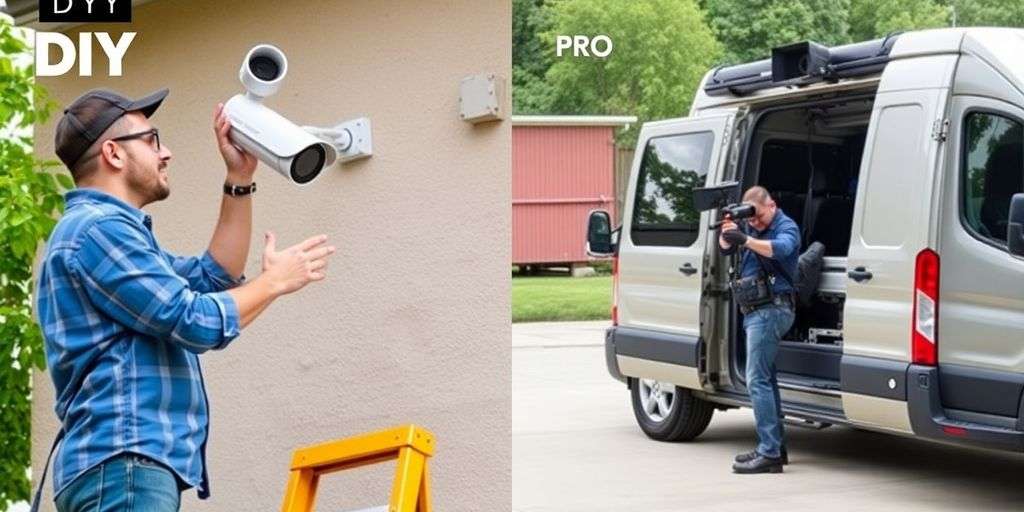
Your budget plays a crucial role in determining the right CCTV system. Wired systems often have higher initial installation costs due to the need for professional setup, while wireless systems can be more cost-effective and easier to install. However, it’s important to also consider long-term costs, such as maintenance and potential upgrades.
Balancing Security and Convenience
Finding the right balance between security and convenience is key. Wired systems are typically more reliable and offer consistent performance, but they can be less flexible in terms of installation. On the other hand, wireless systems provide greater flexibility and ease of installation but may face issues like signal interference. Weighing these factors will help you make an informed decision that suits your lifestyle and security requirements.
Making the right choice involves a careful assessment of your property’s needs, budget constraints, and the balance between security and convenience. By considering these factors, you can select a CCTV system that offers optimal protection and peace of mind.
Integrating CCTV with Other Security Measures
Combining CCTV with Alarm Systems
Integrating CCTV cameras with alarm systems can significantly enhance your property’s security. When an alarm is triggered, the CCTV system can automatically start recording, providing real-time footage of the incident. This combination ensures that you have both an immediate alert and visual evidence, which can be crucial for responding to and investigating security breaches.
Enhancing Security with Access Controls
By linking CCTV cameras with access control systems, you can monitor and manage who enters and exits your property. For instance, when someone uses a keycard or enters a code, the CCTV system can capture their image, ensuring that only authorised individuals gain access. This integration not only improves security but also helps in maintaining detailed records of all entries and exits.
Future-Proofing Your Security Setup
As technology evolves, so do security threats. Future-proofing your security setup involves regularly updating and integrating new technologies with your existing CCTV system. This might include adding advanced features like facial recognition, AI-based threat detection, or even integrating with smart home devices. Staying ahead of potential threats ensures that your security measures remain effective and robust.
Integrating various security measures with your CCTV system creates a comprehensive and reliable security network, providing peace of mind and enhanced protection for your property.
Conclusion
In the end, whether you choose wired or wireless CCTV cameras depends on what you need and prefer. Wired systems are great for their steady connection and high-quality video, making them perfect for places where you need reliable surveillance. On the other hand, wireless cameras are easier to set up and more flexible, which is ideal for renters or those who move often. Think about your home’s layout, your budget, and how comfortable you are with technology before making a choice. Both options have their own perks and drawbacks, so pick the one that fits your situation best. Stay safe and secure!
Frequently Asked Questions
What are the main benefits of wired CCTV systems?
Wired CCTV systems offer a stable and high-quality video feed. They are less likely to face interference from other devices, ensuring clear and reliable footage. These systems also support advanced features like night vision and motion detection.
Are wireless CCTV cameras easy to install?
Yes, wireless CCTV cameras are generally easier to install compared to wired ones. They don’t require extensive cabling, making them a good option for renters or those who prefer a DIY approach.
How do I choose between wired and wireless CCTV cameras?
Choosing between wired and wireless CCTV cameras depends on your specific needs. Consider factors like your property’s size, your budget, and whether you prefer ease of installation or long-term reliability. Wired systems are ideal for stable, high-quality video, while wireless systems offer flexibility and easier setup.